- Recovery treatments are only used after the active dermatitis is fully stable.
- The first priority is relapse prevention with a stable maintenance routine and triggers identified.
- LED support therapy can be useful during the recovery phase and is the natural first supportive step.
- FRAC3 (non-ablative fractional Nd:YAG on Fotona SP Dynamis) can improve tone and texture in selected patients.
- Laser is not first-line for peri-orificial dermatitis itself — it is for recovery once stable.
- Avoid restarting facial topical steroids or aggressive actives during recovery.
- Nd:YAG (FRAC3) is one of the wavelengths most considered for darker Fitzpatrick skin types because of its lower pigmentation risk.
- Test patching is typically performed in reactive skin before a full treatment.
- Post-inflammatory hyperpigmentation can take 2 to 6 months or longer to fade.
Most people with peri-oral (peri-orificial) dermatitis improve significantly once triggers are removed and inflammation is controlled. After the bumps settle, however, you may be left with:
- lingering redness
- uneven tone or post-inflammatory marks
- reactive or sensitive-feeling skin
- texture roughness from repeated flares
This article covers what can be done after the active dermatitis has calmed — including supportive dermal therapy and, when appropriate, gentle non-ablative laser (FRAC3 on Fotona SP Dynamis) to improve overall skin quality and resilience. (1–3)
When you are ready for recovery treatments
Recovery treatments are considered when:
- you are no longer developing new clusters of bumps
- burning and stinging have settled
- your routine is stable and tolerated
- steroid withdrawal rebound has passed, if relevant (1–3)
If you are unsure whether you are “stable enough”, the combined appointment is the fastest way to decide safely.
What we can treat after peri-orificial dermatitis
Lingering redness
Post-inflammatory redness can persist after the rash resolves. The aim is to calm residual inflammation and improve visible tone over time.
Post-inflammatory hyperpigmentation (marks)
Some patients develop brown marks after inflammation — more common in darker Fitzpatrick skin types. The goal is to fade marks safely without triggering a flare.
Texture and reactive skin
Repeated flares can leave skin feeling fragile and reactive. Recovery focuses on barrier support and controlled stimulation to improve resilience.
The recovery pathway (step-by-step)
Step 1 — Stabilise (do not skip)
A low-irritant routine is locked in and any ongoing triggers are removed (covered in triggers and causes). (1–3)
Step 2 — Support barrier repair
This is where dermal therapy is invaluable — simplifying products, improving tolerability, and building a routine you can keep for months.
Step 3 — Add supportive treatments (if you need results sooner)
If redness and sensitivity linger, LED phototherapy is the natural first supportive layer — low-downtime and safe in all skin tones. (4,5)
Step 4 — Consider gentle laser (only if appropriate)
Once stable, selected patients can benefit from non-ablative laser to improve tone and texture while maintaining a low irritation profile.
LED in the recovery phase
Even after active dermatitis settles, LED can help maintain comfort and support a calmer inflammatory state. The photobiomodulation literature supports anti-inflammatory and barrier-support effects in inflammatory skin applications. (4,5)
For the full LED protocol and what to expect, see LED phototherapy for peri-oral dermatitis.
Gentle laser — FRAC3 on Fotona SP Dynamis
What FRAC3 is used for in recovery
FRAC3 is a non-ablative Nd:YAG laser mode that delivers energy in a fractional pattern to stimulate dermal remodelling without disrupting the skin surface. In suitable patients, this can help:
- improve overall tone and mild residual redness
- improve texture and subtle unevenness after repeated inflammation
- support longer-term skin resilience by encouraging controlled repair
Who it suits best
FRAC3 is usually best for patients who:
- are fully out of the flare phase
- have stable tolerance to a simple routine
- want low downtime and a conservative, gradual approach
- have persistent redness or texture concerns rather than active bumps
Typical course
- a series of sessions for gradual improvement
- parameters kept conservative, especially in very reactive skin
- reassessed after each session
- a test patch is typically performed before a full treatment in reactive skin
What to expect
- mild warmth and redness for a short period afterwards is possible
- no significant downtime in most patients
- the goal is gradual improvement without re-triggering inflammation
Important: laser is not first-line treatment for peri-orificial dermatitis itself — it is a recovery option once the condition is stable. (1–3)
For a broader overview of laser technology and how different laser types are used in medical skin care, see the Laser & Light Treatments hub.
What we avoid (to reduce relapse risk)
During recovery, the most common relapse triggers are still:
- restarting facial topical steroids for a quick fix (1–3)
- aggressive exfoliation or strong actives too early
- heavy occlusive routines that trap heat and irritate the area (1–3)
The recovery plan prioritises predictable, low-irritant changes and adds only one new element at a time.
Where this fits
Adjacent reads in the peri-orificial dermatitis toolkit:
- Treatment plan — reset, calm, rebuild
- Triggers and causes — the trigger picture in depth
- Skincare routine — product choices, sunscreen, what to avoid
- Special populations — around the eyes, children, pregnancy
- LED phototherapy — supportive layer for the first 4 weeks
- FAQs and myths
- Peri-oral dermatitis condition page — diagnostic overview and booking
If your peri-orificial dermatitis has settled but you are left with redness, marks or texture concerns, recovery can be planned safely — without undoing the progress already made.
Frequently asked questions
-
How soon after a flare can I do laser?
Only once the dermatitis is fully stable — no new bumps, minimal stinging, the maintenance routine tolerated for several weeks. If recovery treatment moves too early, there is real risk of re-triggering inflammation. The combined appointment is the safest way to decide if you are stable enough. -
Will laser stop peri-oral dermatitis coming back?
No — relapse prevention is mainly about triggers and routine stability. Laser may improve overall skin quality and address residual redness, texture or marks, but it does not replace trigger control. The recovery layer is in addition to ongoing maintenance, not a substitute. -
What if I am mainly concerned about lingering redness?
We usually start with routine stability and consider LED support therapy first, then laser only if redness persists and the skin is fully stable. LED is gentle, low-downtime and safe in all skin tones, which makes it the natural first step before considering a more energetic option. -
What is FRAC3 and how is it different from ablative laser?
FRAC3 is a non-ablative fractional Nd:YAG mode delivered on the Fotona SP Dynamis system. Energy is delivered in a fractional pattern to stimulate dermal remodelling without disrupting the skin surface. This means less downtime, lower irritation risk and a more conservative profile compared with ablative or surface-fractional lasers — well-suited to skin that has been historically reactive. -
Can I use vitamin C or retinol during recovery?
Cautiously, and only once the rash has been fully stable for several weeks. These actives can re-trigger inflammation if introduced too early. The reintroduction follows the same one-change-every-5-to-7-days rule used in the active skincare reset, with stronger actives introduced last. -
How long does the post-flare recovery phase typically take?
Most patients see meaningful improvement in residual redness and texture over 2 to 6 months of consistent maintenance plus selected supportive treatments. Lingering post-inflammatory hyperpigmentation can take longer to fade, particularly in darker Fitzpatrick skin types. Patience and avoiding aggressive shortcuts are the most important rules of recovery. -
Is FRAC3 suitable for darker skin tones?
Yes — Nd:YAG is one of the wavelengths most commonly considered for darker Fitzpatrick skin types because of its longer wavelength and reduced epidermal absorption. Parameters are kept conservative regardless of skin type during peri-oral dermatitis recovery, and a test patch is typically performed before a full treatment in reactive skin. -
Do I need a referral?
No referral is required. You can book directly. A referral from your GP or treating clinician is welcome — it helps with collegial communication and continuity of care — but is not a barrier to accessing the service. Both clinics (Ivanhoe and Diamond Creek) operate the same pathway.
References
- Perioral dermatitis — A to Z of skin (Australasian College of Dermatologists)
- Periorificial dermatitis — DermNet NZ
- Perioral Dermatitis — StatPearls (NCBI Bookshelf)
- Photobiomodulation in dermatology — review (Int J Mol Sci 2024)
- Light-emitting diodes in dermatology — systematic review of randomized controlled trials (Lasers Surg Med 2018)
Related
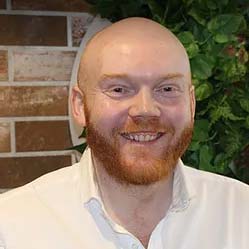
By Dr Christopher Irwin, MBChB, FRACGP, MMed (Skin Cancer), FACAM, MSCCA
Last reviewed 2026-06-06 · Editorial policy