The Skin Cancer and Skin Medicine branch of The Skin Doctor provides doctor-led skin cancer detection, advanced treatment, and medical dermatology across both Ivanhoe and Diamond Creek clinics.
- Full-body skin checks with optional 2D and 3D total-body imaging.
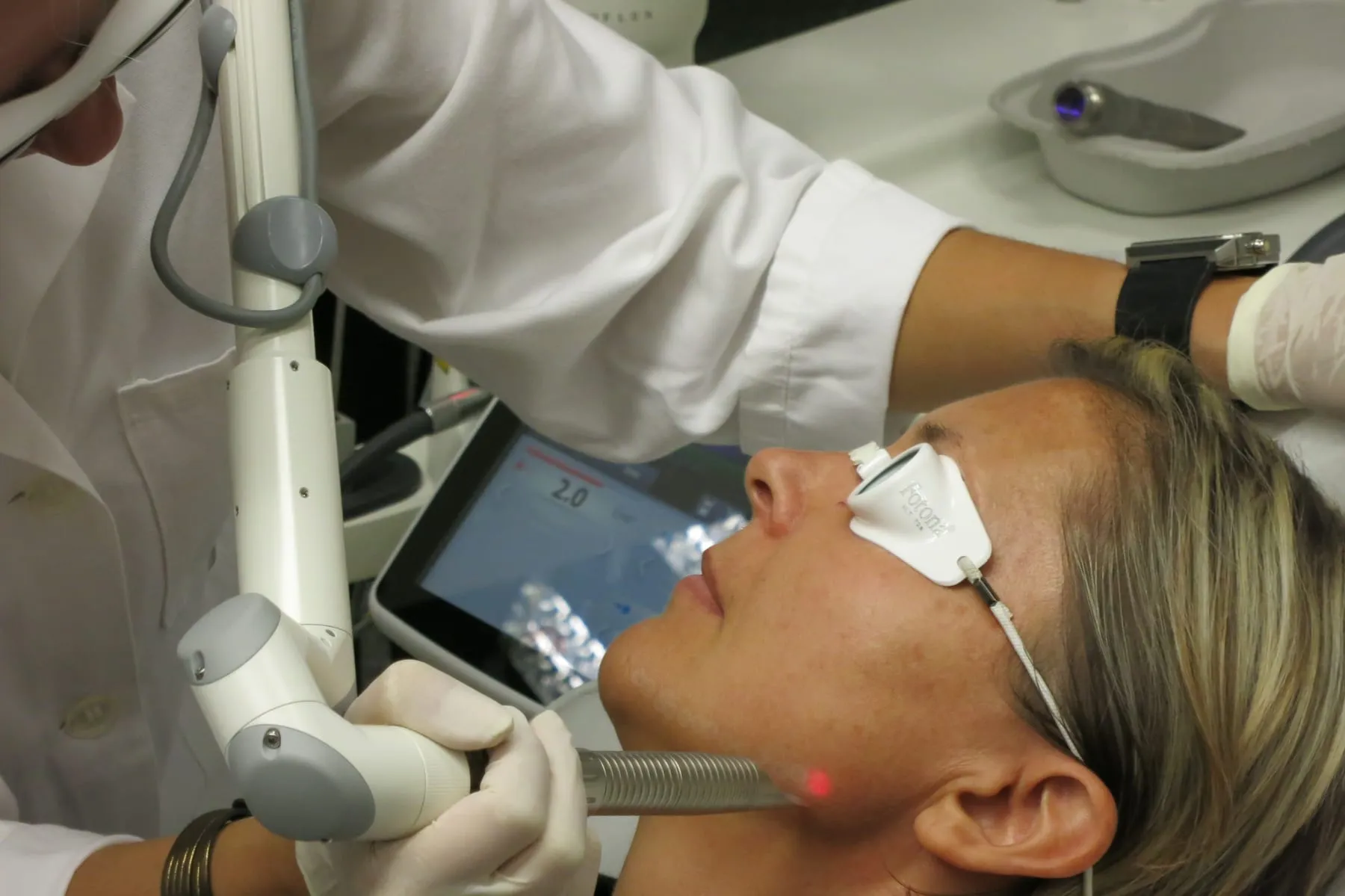
- Advanced cancer treatment including PDT, Efudix, Aldara, and laser-assisted therapy.
- Medical dermatology for eczema, rosacea, peri-oral dermatitis, psoriasis and more.
- Dr Christopher Irwin holds a Master of Medicine in Skin Cancer (UQ, 2018).
Skin Cancer and Skin Medicine
The Skin Cancer and Skin Medicine branch of The Skin Doctor provides doctor-led skin cancer detection, advanced treatment, and medical dermatology across both Ivanhoe and Diamond Creek clinics.
Highest Standard of Skin Diagnosis and Treatment
At The Skin Doctor, we believe exceptional skin care requires two things: world-leading technology and the time to use it properly.
That’s why our clinic has invested in some of the most advanced imaging systems available anywhere in the world — including full-body 3D VECTRA® mapping and medical-grade 2D total-body photography — and why our doctors devote significantly more time to your skin. Our shortest appointments are 20 minutes, and our comprehensive skin checks include around 40 minutes with your skin cancer physician, with a total in-clinic time of up to one hour to ensure every single spot on your body is thoroughly examined.
Whether assessing a single lesion or performing a complete full-body map, we aim to deliver the highest standard of accuracy, safety, and early detection.
Alongside our skin cancer services, we offer special interest skin care. Our doctors have a particular focus on acne, rosacea, peri-orificial dermatitis, seborrheic dermatitis, eczema, and other inflammatory skin conditions, combining evidence-based medicine with modern therapies to achieve the best possible outcomes.
At The Skin Doctor, your skin is our world — and every appointment reflects the depth, precision, and care you deserve.
Branches
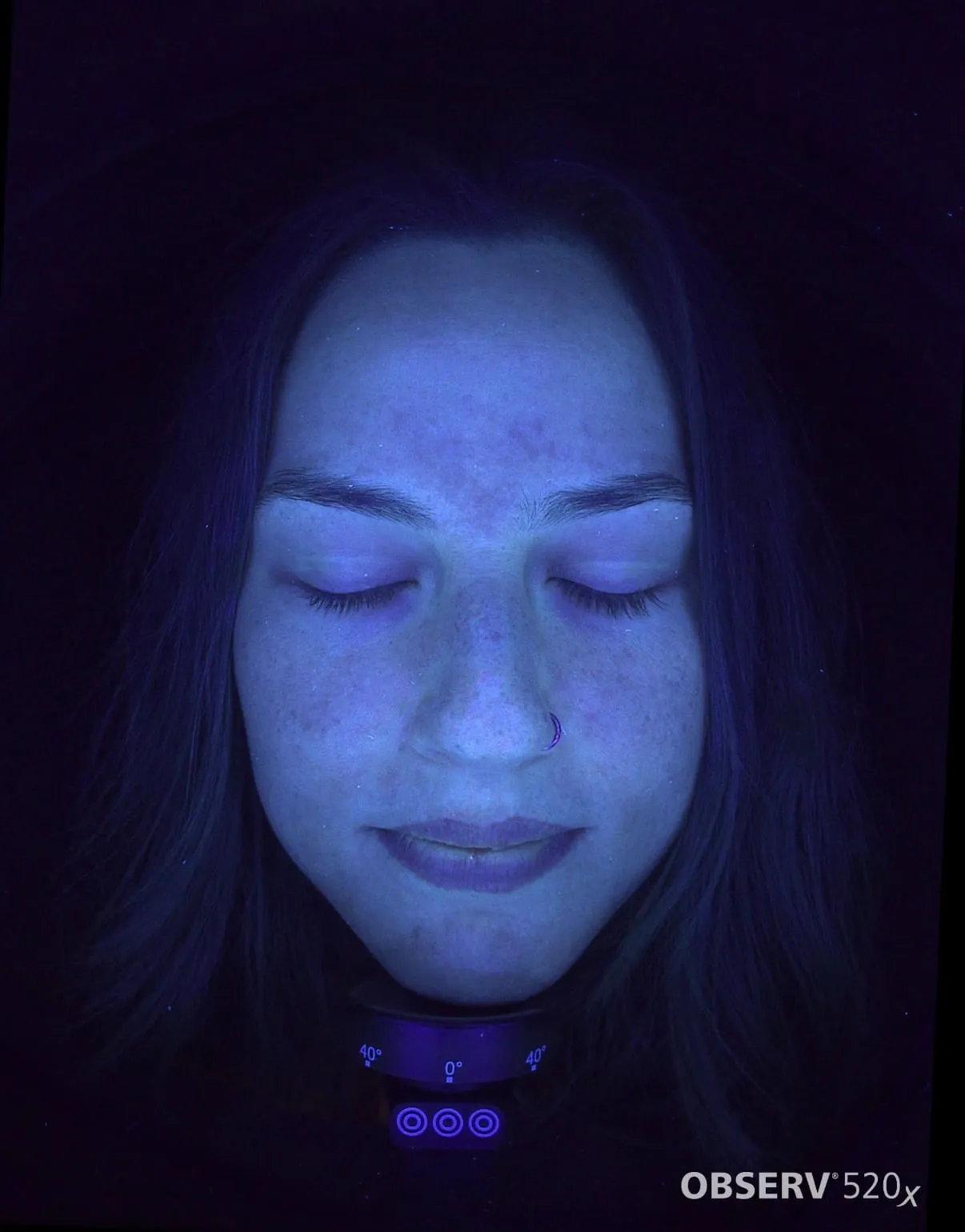
Early detection is everything. We invest in some of the most advanced skin imaging available globally — 2D total-body photography and 3D VECTRA® mole mapping — to support accuracy, safety, and confidence.
Where would you like to begin?
Detection
Skin Checks
Full-body checks with 2D and 3D imaging at both clinics.
Explore →Up to 3 spots
Targeted Spot Check
A focused 20-minute doctor-led review of up to three specific spots.
Explore →Alternative to surgery
Non-surgical Treatments
PDT, Efudix, Aldara, and laser-assisted therapy for selected lesions.
Explore →Education
Skin Cancer Types
Melanoma, basal cell carcinoma, squamous cell carcinoma, actinic keratosis.
Explore →Fees
Services & Fees
Full Skin Check, Skin Review and Extended Review fees, rebates and deposit policy.
Explore →Our team
Doctors
Meet our team of skin cancer doctors and dermatology practitioners.
Explore →Long-form articles
Skin Cancer Education
In-depth articles on sun protection, prevention, and post-treatment care.
Explore →Frequently asked questions
-
Do I need a GP referral for a skin check?
No referral is required for a routine skin check. You can book directly through AutoMed. A referral can still be helpful where a Medicare rebate may apply, or where a specific lesion has already been flagged by your GP — but it is not a barrier to booking. If a suspicious lesion is found and needs further work-up, we will discuss the appropriate pathway with you at the appointment. -
How long does a skin check take and what is included?
Our comprehensive full-body skin checks include approximately 40 minutes face-to-face with your skin cancer physician, with total in-clinic time of up to one hour. This allows every spot on the body to be examined, supported by dermoscopy and — where indicated — full-body 3D VECTRA® mole mapping or 2D total-body photography. Shorter targeted spot checks (up to 3 specific lesions) take around 20 minutes. -
How often should I have a skin check?
Most adults benefit from a full-body skin check every 12 months. Higher-risk patients (personal or family history of melanoma, fair skin with significant sun damage, many atypical naevi, or immunosuppression) may need 6-monthly checks. The recommended interval is set at your first visit based on your individual risk profile and skin findings, and can be adjusted over time. -
What's the difference between a full-body check and a targeted spot check?
A full-body check is a comprehensive head-to-toe examination — every area of skin reviewed with dermoscopy, often combined with total-body photography for surveillance baseline. A targeted spot check is a shorter appointment for up to 3 specific lesions you are concerned about — useful for a quick second opinion on a single mole but not a substitute for periodic full-body surveillance. Most patients combine the two over time. -
What happens if you find something suspicious?
If a lesion needs further assessment we discuss the options with you at the appointment — short-interval review, dermoscopy/photographic monitoring, biopsy in-clinic, or referral to a dermatology or surgical colleague when appropriate. Many non-melanoma cancers and pre-cancers can be treated in-clinic via non-surgical pathways (PDT, Efudix, Aldara, laser-assisted therapy) where suitable. Melanoma and complex lesions follow established surgical referral pathways.
Medically reviewed by Dr Christopher Irwin, MBChB, FRACGP, MMed (Skin Cancer), FACAM, MSCCA · Last reviewed 2026-06-06 · Editorial policy