Doctor-led acne guide by Dr Chris Irwin at The Skin Doctor, Melbourne. Acne is an inflammatory disorder of the pilosebaceous unit with four drivers (plugging, sebum, microbiome, inflammation). Staged treatment matched to the dominant pattern — topicals, oral antibiotics, hormonal therapy, isotretinoin, PDT, laser — one tier per 8–12 weeks. Inflammatory acne is more likely to scar.
- Acne is an inflammatory disorder of the pilosebaceous unit — the hair follicle and its oil gland. It is not caused by dirty skin.
- Four interacting drivers — follicular plugging, increased sebum, follicle microbiome changes (Cutibacterium acnes) and inflammation.
- Treatment is matched to the dominant pattern — comedonal, inflammatory, hormonal-pattern or severe/nodulocystic.
- First-line is a topical retinoid plus benzoyl peroxide; oral antibiotics are added for moderate inflammatory disease.
- The 8–12 week rule — one treatment tier, used properly and consistently, gets 8–12 weeks before stepping up.
- Adult women with jawline or cyclical patterns may benefit from hormonal therapy (combined OCP or spironolactone).
- Severe, scarring or treatment-resistant acne may need isotretinoin (Roaccutane) under doctor supervision with monthly review.
- Photodynamic acne therapy and laser/LED options help selected patients who cannot tolerate or have failed first-line therapy.
- Inflammatory acne is far more likely to scar — early effective treatment prevents irreversible damage.
- Brown marks (PIH) and red marks (PIE) need targeted strategies, especially in melanin-rich skin. Care across two Melbourne clinics — Ivanhoe and Diamond Creek.
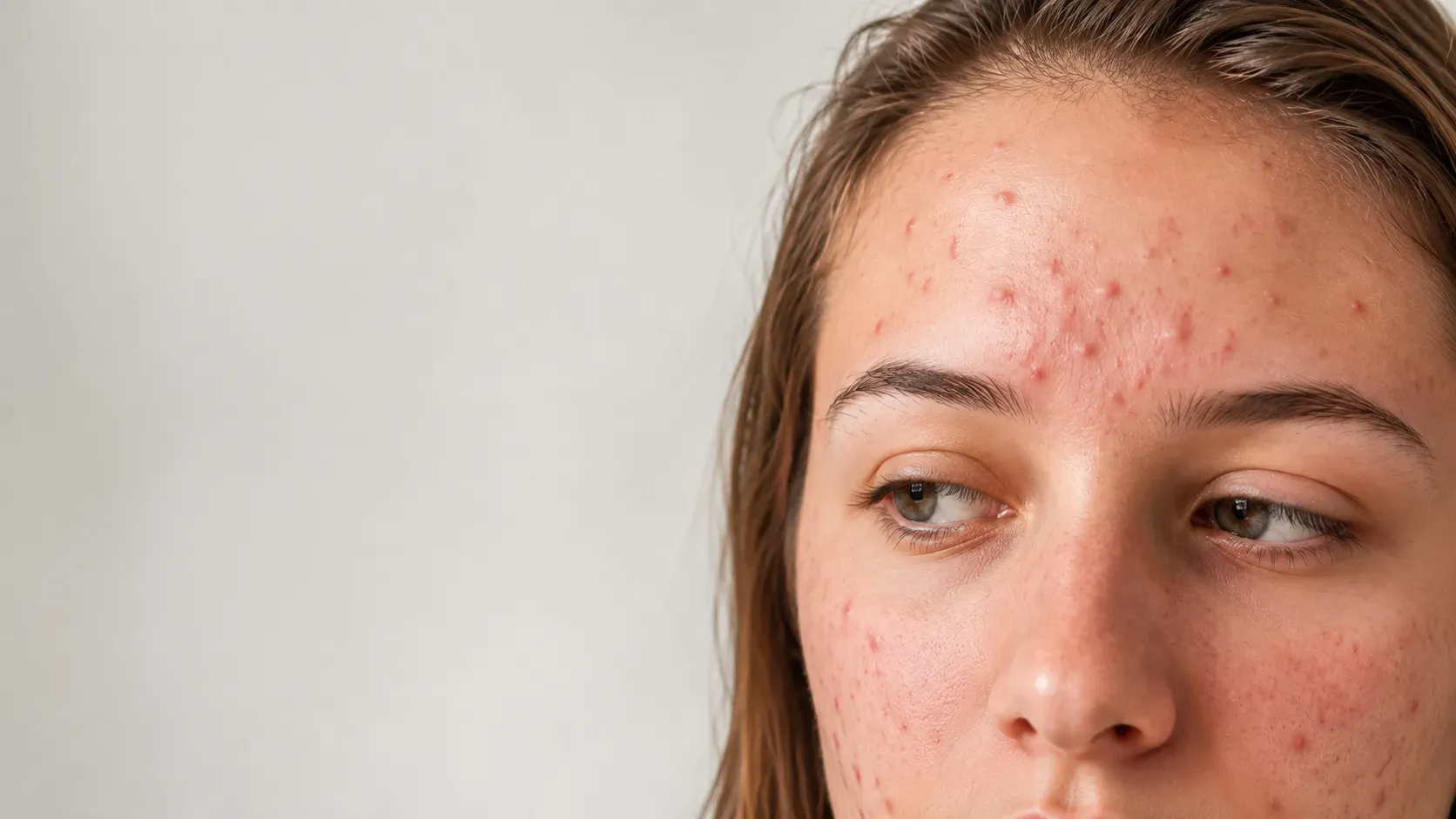
Acne · Melbourne
Acne, staged and matched to your pattern.
Blackheads, inflamed pimples, jawline breakouts or deeper painful lumps — assessed properly and treated with a staged plan matched to your pattern, stepped up on a clear timetable, with scarring prevented early.

By Dr Christopher Irwin, MBChB, FRACGP, MMed (Skin Cancer), FACAM, MSCCA
Last reviewed 2026-06-06 · Editorial policy
- Acne is an inflammatory disorder of the pilosebaceous unit — the hair follicle and its oil gland. It is not caused by dirty skin.
- Four interacting drivers — follicular plugging, increased sebum, follicle microbiome changes (Cutibacterium acnes) and inflammation.
- Treatment is matched to the dominant pattern — comedonal, inflammatory, hormonal-pattern or severe/nodulocystic.
- First-line is a topical retinoid plus benzoyl peroxide; oral antibiotics are added for moderate inflammatory disease.
- The 8–12 week rule — one treatment tier, used properly and consistently, gets 8–12 weeks before stepping up.
- Adult women with jawline or cyclical patterns may benefit from hormonal therapy (combined OCP or spironolactone).
- Severe, scarring or treatment-resistant acne may need isotretinoin (Roaccutane) under doctor supervision with monthly review.
- Photodynamic acne therapy and laser/LED options help selected patients who cannot tolerate or have failed first-line therapy.
- Inflammatory acne is far more likely to scar — early effective treatment prevents irreversible damage.
- Brown marks (PIH) and red marks (PIE) need targeted strategies, especially in melanin-rich skin. Care across two Melbourne clinics — Ivanhoe and Diamond Creek.
Acne (acne vulgaris) is an inflammatory disorder of the pilosebaceous unit — the hair follicle and its oil (sebaceous) gland. It is the most common skin condition seen in clinic and is treatable at every age. It often begins in adolescence, but adult acne is extremely common — especially in women, and most patients improve significantly once the key drivers are identified and treated consistently. It is not caused by dirty skin — harsh scrubbing and irritating products often make acne worse. (1,2)
Four drivers
Follicular plugging, increased sebum, changes in the follicle microbiome (Cutibacterium acnes) and inflammation — interacting differently in each person.
Staged, not templated
Over-the-counter actives, prescription topicals, oral antibiotics, hormonal therapy and isotretinoin — stepped up on a clear timetable, matched to your pattern.
Scarring is preventable
Inflammatory acne is far more likely to scar — early effective treatment is the single most important prevention.
What type of acne do I have?
Most acne fits one of four patterns: comedonal (blackheads and whiteheads), inflammatory (red papules and pustules), hormonal-pattern (jawline and cyclical, most often in adult women) and severe nodulocystic (deeper, tender lumps). Assessment grades severity and identifies the predominant lesion type — and the right treatment follows the dominant pattern.
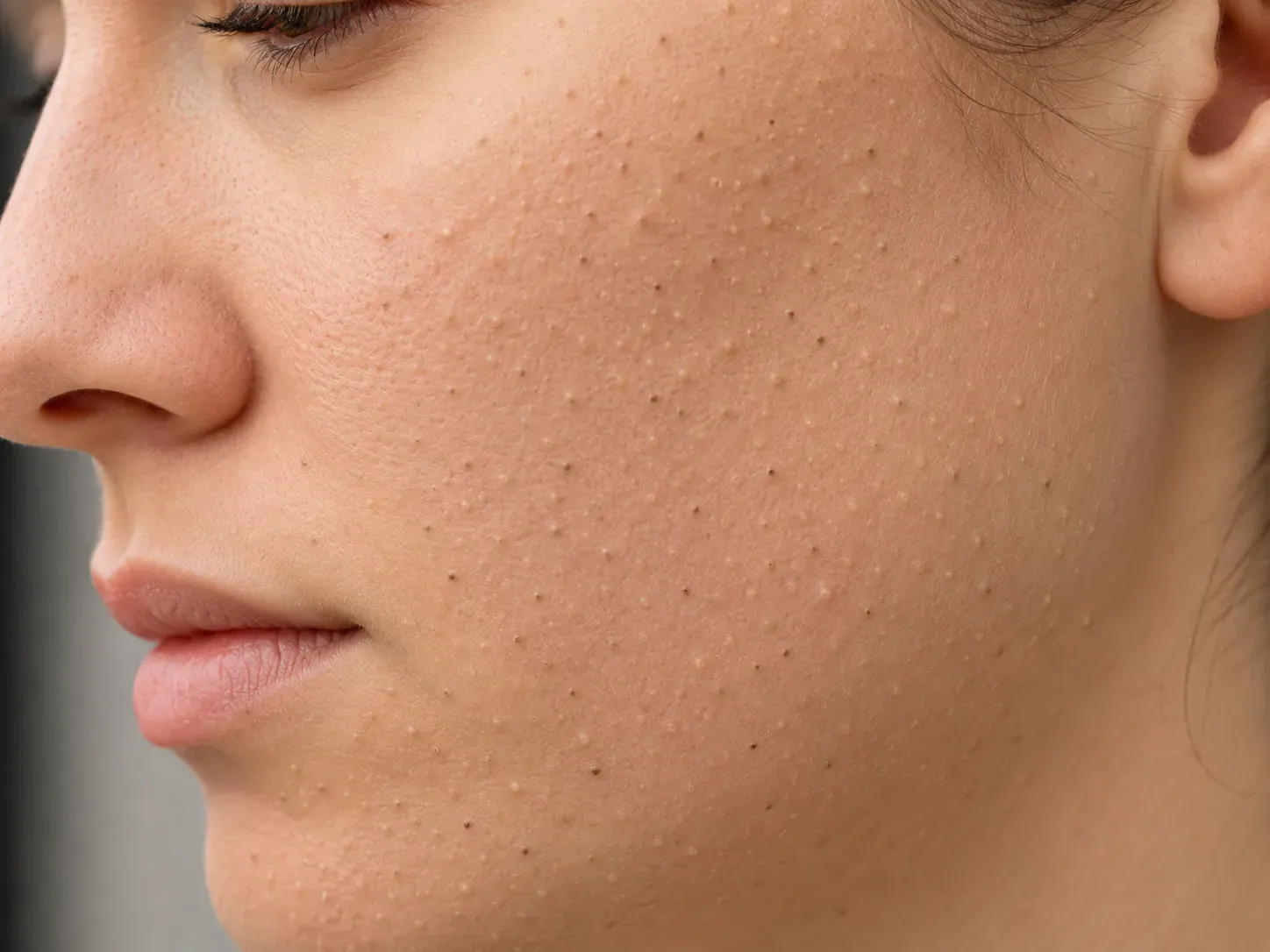
Comedonal
Blackheads & whiteheads.
Open comedones (blackheads) and closed comedones (whiteheads) — follicular plugging with little inflammation. The dark colour of blackheads comes from oxidised material and pigment, not dirt.
Pathway: over-the-counter actives + topical retinoids
See pathway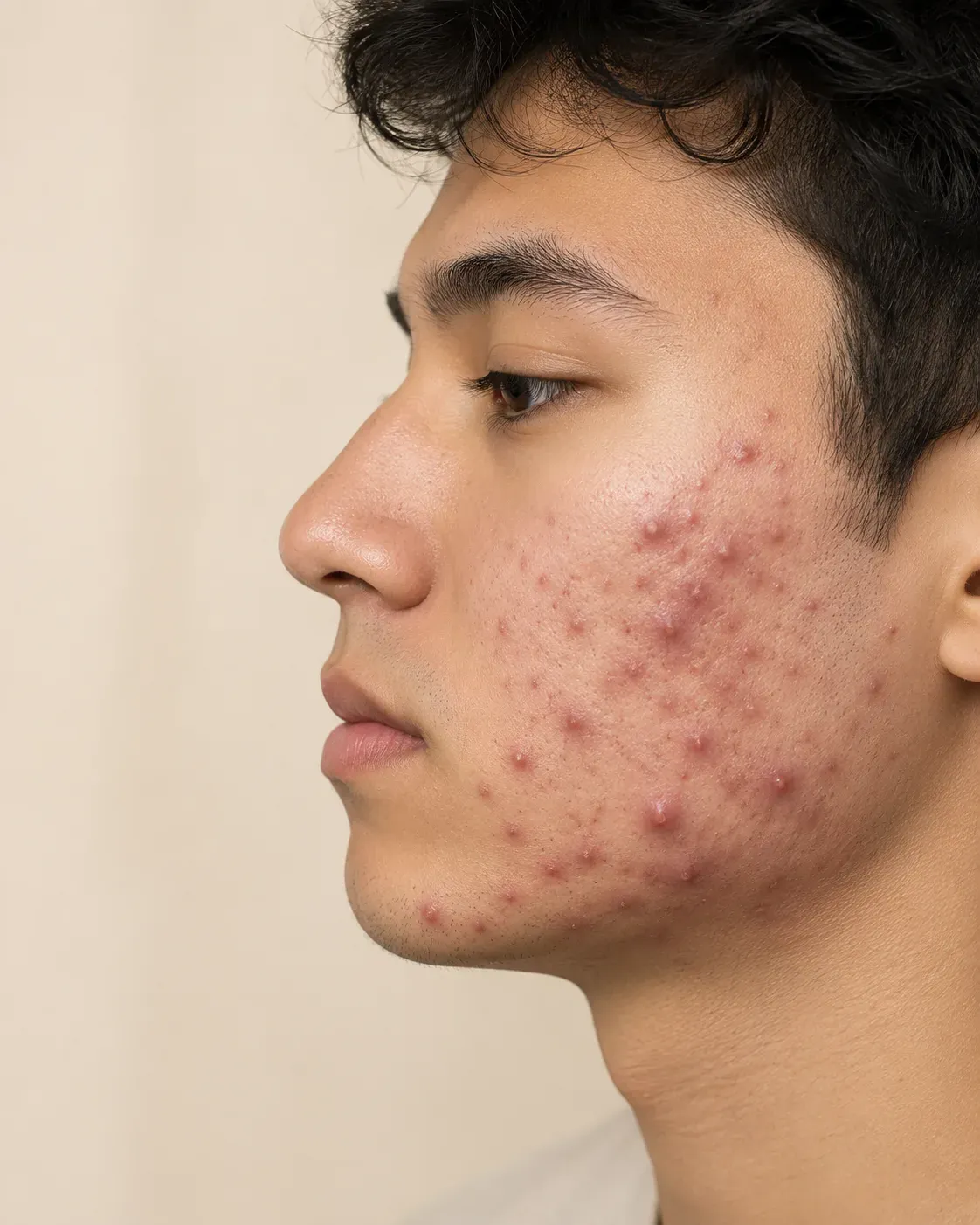
Inflammatory
Red papules & pustules.
Red, inflamed papules and pustules on the face, chest, back and jawline. Inflammation is what turns a blocked pore into a red pimple — and inflammatory acne is far more likely to scar than purely comedonal acne.
Pathway: prescription topicals ± oral antibiotics
See pathway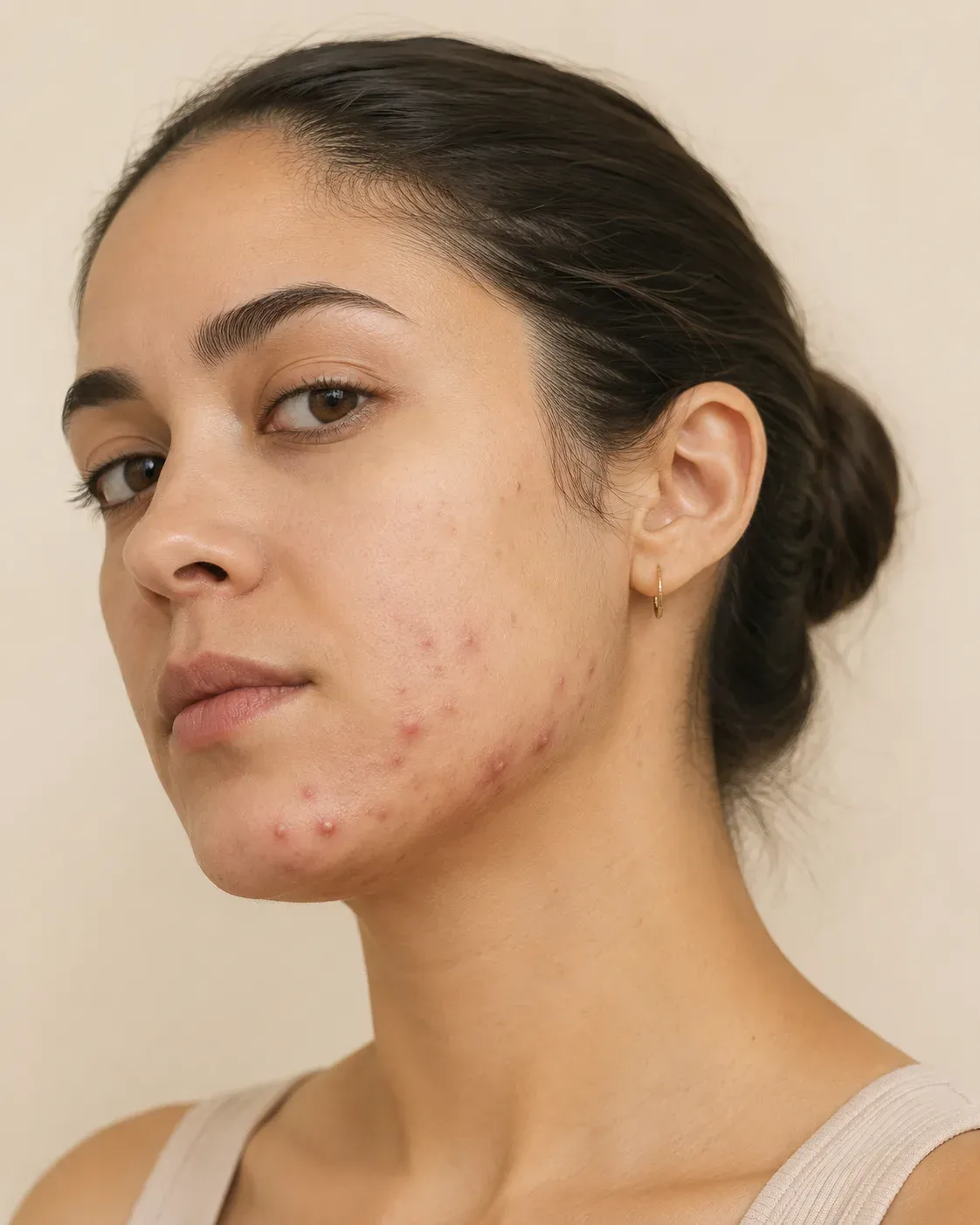
Hormonal-pattern
Jawline & cyclical.
Jawline and chin distribution, premenstrual flares, adult onset or persistence — most common in women. Most people with hormonal acne have normal hormone levels, but PCOS and androgen excess can cause more severe disease.
Pathway: assessment ± hormonal therapy
See pathway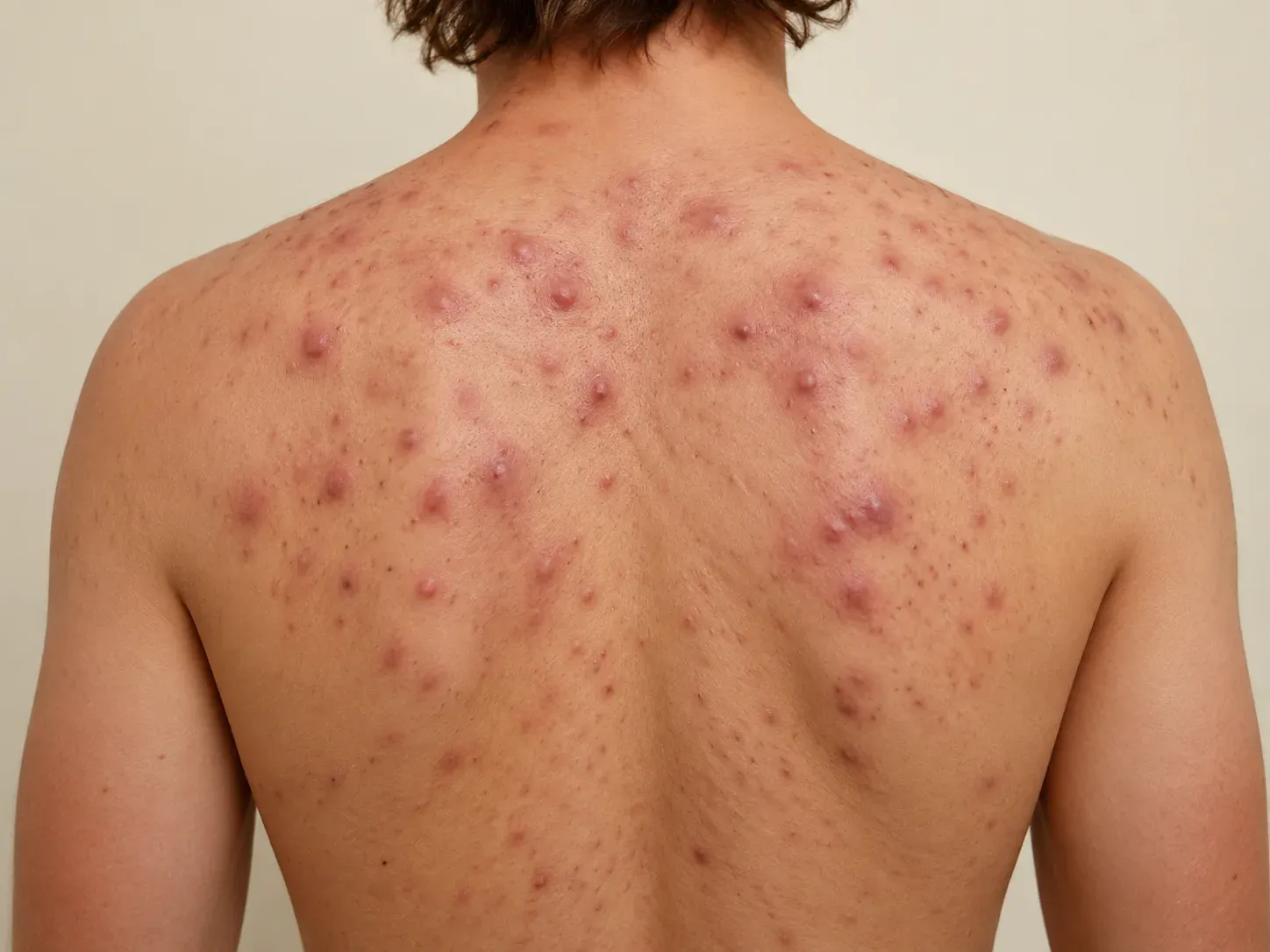
Severe / nodulocystic
Deep, tender lumps.
Deeper, tender nodules (true cysts are uncommon) with a high risk of scarring. Severe, scarring or treatment-resistant acne warrants doctor-led care — and may need isotretinoin.
Pathway: doctor-led — isotretinoin pathway
See pathway
Four interacting drivers — why acne behaves the way it does
Why does acne happen?
Acne develops through a combination of interacting factors, and the sequence can vary between people — which is why there is no single best treatment for everyone. The four core drivers are follicular plugging, increased oil (sebum) production, changes in the follicle microbiome — especially Cutibacterium acnes — and inflammation. (1,3)
The “microcomedo”: where acne begins
The earliest acne lesion is microscopic: a microcomedo, a tiny plug formed by sticky keratin cells inside the lower part of the follicle. Over time, this can evolve into visible acne lesions:
- When sebum and keratin accumulate behind the plug, it becomes a closed comedo (whitehead).
- As the pore opening stretches, it can become an open comedo (blackhead). The dark colour comes from oxidised material and pigment — not dirt. Oxidation is exactly the same as how the inside of an apple turns brown if you take a few bites out of it and leave it open to the air for a few hours.
- If inflammation escalates, papules and pustules develop. If the follicle wall ruptures, inflammation can spill into the deeper skin and form a nodule, increasing scarring risk. (1)
This is why acne treatment focuses on preventing plugs and calming inflammation early.
The role of hormones and oil glands
Hormones (especially androgens) increase acne risk because they stimulate sebaceous glands to grow and produce more oil. More sebum can promote follicle blockage and provide a favourable environment for acne bacteria within the follicle. (3,4)
Most people with acne have normal hormone levels, but acne can be more severe with androgen excess (for example in polycystic ovary syndrome) and acne commonly flares with hormonal cycling. (1)
A classic observation shows how central androgens are: people with complete androgen insensitivity do not produce sebum and do not develop acne. (4)
If you suspect a hormonal pattern (jawline acne, cyclical flares), see Hormonal acne in women →.
The follicle microbiome — not “too much bacteria”, but the wrong balance
Cutibacterium acnes is a normal part of skin flora — acne is not simply an infection. What appears to matter is dysbiosis (an imbalance) and differences between bacterial strains. (3,5)
Research suggests:
- Some C. acnes strains are more associated with acne, while others are more associated with healthy skin. (5)
- Acne-related strains may stimulate stronger inflammatory immune responses, including pathways linked with IL-17. (6)
- C. acnes can form biofilms in follicles, which may contribute to persistence and treatment resistance in some patients. (7)
This helps explain why acne can be stubborn — and why treatment usually needs to address follicle blockage, inflammation, and oil production together.
Inflammation — why pimples become red, tender, and persistent
Inflammation is what turns a blocked pore into a red pimple. C. acnes and follicle contents can activate immune pathways that increase inflammatory cytokines (including IL-1) and recruit inflammatory cells. (6,8,9)
Some studies show inflammatory and tissue-remodelling genes increase in acne lesions, which helps explain why deep, prolonged inflammation increases the risk of scarring. (10)
Genetics — why acne runs in families
If close relatives had acne, your risk is higher. Twin studies support a strong heritable component to acne susceptibility, although environment and hormones still play major roles. (11)
What makes acne worse?
These factors do not “cause” acne by themselves, but can aggravate it:
- Skin trauma and irritation. Harsh scrubbing, strong astringents, and irritant routines can rupture comedones and worsen inflammation. (1)
- Diet (evolving evidence). Diet is not the cause of acne for most people, but evidence suggests it can influence acne severity in some individuals. Milk intake has been associated with acne in large observational studies, especially skim/low-fat milk in some cohorts. (12) High-glycaemic-load diets may worsen acne in some people; randomised trials suggest improvement with lower-glycaemic-load approaches, although weight change can be a confounder. (13) The practical approach is not extreme restriction — it is trialling sensible adjustments if you notice a pattern.
- Stress. Stress appears to correlate with increased acne severity in some studies, even when sebum production does not change substantially. (14,15)
- Insulin/IGF-1 signalling (selected patients). Insulin resistance and higher IGF-1 levels have been linked with acne in some studies, particularly in post-adolescent acne patterns. (16–18)
We outline evidence-informed lifestyle and skincare strategies in Natural ways to treat acne →, and what a supporting routine should look like in Skincare for acne-prone skin →.
What actually clears acne?
Acne treatment is staged. First-line for most acne is a topical retinoid combined with benzoyl peroxide; oral antibiotics are added for moderate inflammatory disease; adult women with a hormonal pattern may benefit from hormonal therapy; and severe, scarring or treatment-resistant acne may need isotretinoin (Roaccutane) under doctor supervision. (1)
| Your pattern | Usually starts with | If not clearly better after 8–12 weeks |
|---|---|---|
| Blackheads & whiteheads (comedonal) | Over-the-counter actives — adapalene, benzoyl peroxide, salicylic acid | Prescription topical retinoid |
| Red pimples (mild–moderate inflammatory) | Topical retinoid + benzoyl peroxide | Add a short course of oral antibiotics |
| Jawline, cyclical (hormonal-pattern) | Doctor assessment ± hormonal therapy | Review work-up; combined OCP or spironolactone |
| Deep, tender lumps or early scars (severe) | See a doctor now — don’t wait | n/a — assessed and escalated at presentation |
Every pathway is confirmed at a doctor-led assessment — severity, predominant lesion type and prior response change the right starting point.
 Selected patients
 In-clinic · Light-activated
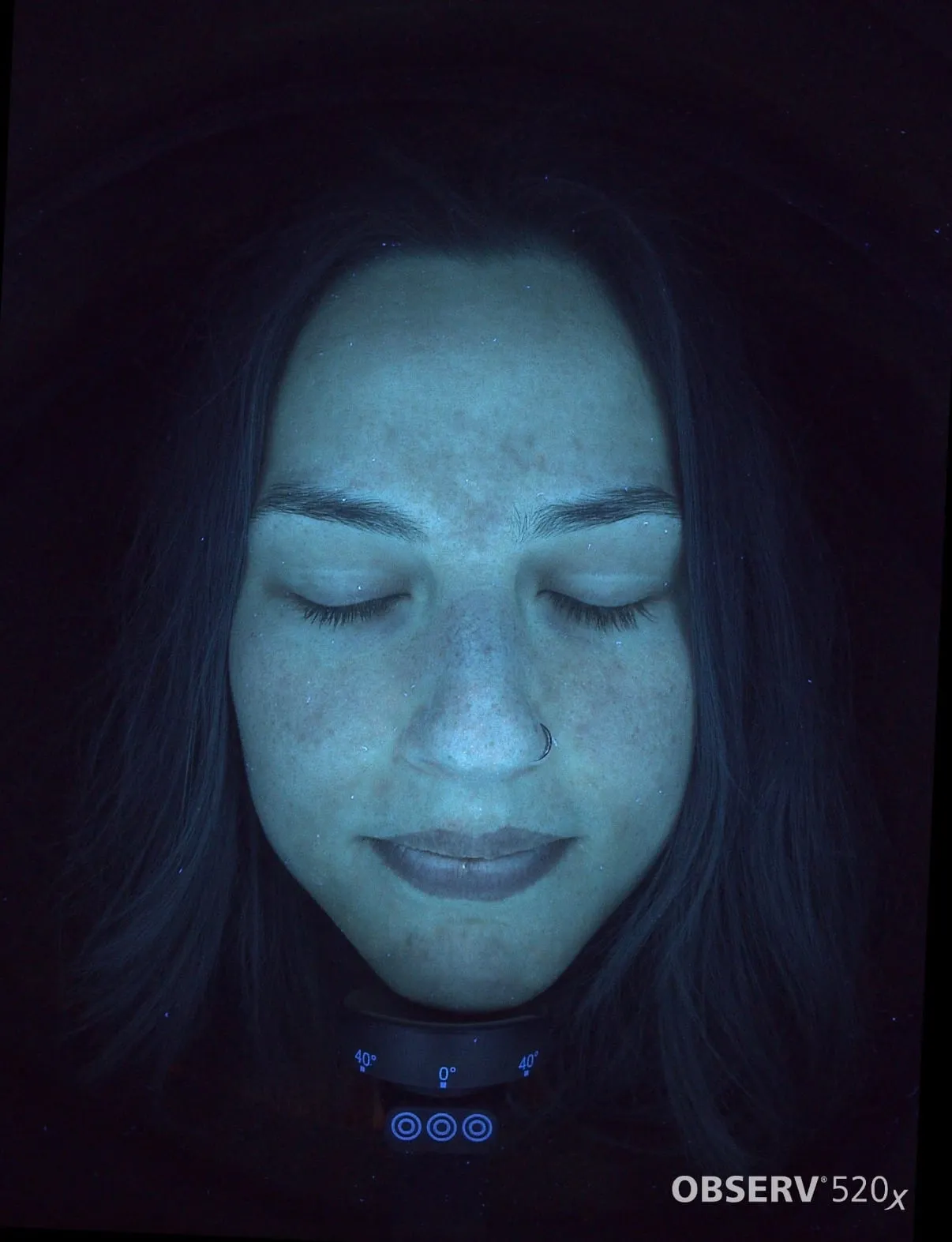
Photodynamic Acne Therapy (PDT)
A light-activated treatment that targets sebaceous glands and Cutibacterium acnes. Useful in selected patients who cannot tolerate or have failed first-line therapy.
Explore photodynamic acne therapy-
Over-the-counter and skincare optimisation
Gentle, barrier-friendly routine — harsh scrubbing and irritating products often make acne worse. Evidence-based over-the-counter actives (salicylic acid, adapalene, benzoyl peroxide) are first-line for mild acne.
-
Prescription topical therapy
Topical retinoids (adapalene, tretinoin) combined with benzoyl peroxide and/or topical antibiotics for mild-to-moderate acne. First-line evidence-based treatment.
-
Oral antibiotics
Short courses of doxycycline or minocycline for moderate inflammatory acne, used in combination with topical therapy to limit resistance.
-
Hormonal therapy
Combined oral contraceptive pill or spironolactone for adult women with hormonal-pattern acne (jawline distribution, cyclical flares).
-
Isotretinoin (Roaccutane)
For severe, scarring or treatment-resistant acne. Doctor-supervised with monthly review and standard monitoring.
-
Laser and light therapy
Adjunctive laser and LED options for inflammatory acne and post-acne marks. Discussed in our LED vs Laser vs PDT comparison.
-
Acne scarring treatment
For established scarring once active acne is stable — resurfacing and remodelling options tailored to scar type.
When should I see a doctor about acne?
See a doctor early if acne is inflammatory or starting to scar — scarring is irreversible and prevention is far easier than treatment. Significant emotional distress at any severity, jawline or cyclical patterns suggesting hormonal involvement, brown or red marks being left behind, and acne that is not responding to a structured over-the-counter routine after 8–12 weeks are all reasons to seek doctor-led care.
If you’re unsure what type of acne you have or what to try next, the fastest path to improvement is a doctor-led assessment and a staged plan.
When is Roaccutane (isotretinoin) used?
Isotretinoin (Roaccutane) is reserved for severe, scarring or treatment-resistant acne, in line with published guidelines. (1) Treatment is doctor-supervised, with monthly review and standard monitoring. If you have been through repeated courses of other treatments without lasting control, a structured discussion of whether isotretinoin is appropriate — including its risks, benefits and monitoring requirements — is reasonable. Our guide to Roaccutane (isotretinoin) for acne → covers this pathway in detail.
What does acne leave behind?
Even when pimples settle, acne can leave changes behind — brown marks, red marks and scars:
- Post-inflammatory hyperpigmentation (brown marks). Common after inflammation, especially in darker skin types, and may persist for months without treatment. If this is your main issue, see Post-inflammatory hyperpigmentation →.
- Post-inflammatory erythema (red marks). Persistent redness can remain after acne lesions heal and may respond to targeted vascular strategies in selected cases.
- Scarring. Inflammatory acne is more likely to scar than purely comedonal acne. Scars can be atrophic (ice-pick, rolling, boxcar) or hypertrophic/keloid (more common on chest/back/jawline in predisposed patients). (1) If scarring is your main concern, see Acne scarring treatments →.
For light-based options for inflammatory acne and post-acne marks, see LED vs laser vs PDT for acne →.
When it might not be acne
If you are not improving as expected, the diagnosis is worth revisiting. Conditions that mimic — or coexist with — acne include:
Next step
Clearer skin starts with a correct diagnosis.
If acne is affecting your confidence, leaving marks, or not responding to your current routine, a structured plan can make a major difference.
Frequently asked.
-
What is acne and what causes it?
Acne (acne vulgaris) is an inflammatory disorder of the pilosebaceous unit — the hair follicle and its oil (sebaceous) gland. Modern research identifies four interacting drivers — follicular plugging, increased sebum production, changes in the follicle microbiome (especially Cutibacterium acnes), and inflammation. These factors interact differently in each person, which is why there is no single "best" treatment for everyone. -
Is acne caused by poor hygiene or dirty skin?
No. Acne is not caused by dirty skin. In fact, harsh scrubbing and irritating products often make acne worse by disrupting the skin barrier and triggering more inflammation. The dark colour of blackheads comes from oxidised material and pigment — not dirt. -
Does diet cause acne? What about milk and chocolate?
Diet is not the cause of acne for most people, but evidence suggests it can influence severity in some individuals. Large observational studies have linked milk intake to acne (especially skim/low-fat milk in some cohorts), and randomised trials suggest improvement with lower-glycaemic-load diets in selected patients. The practical approach is not extreme restriction — it's trialling sensible adjustments if you notice a pattern. -
What is the difference between over-the-counter, prescription, and Roaccutane treatments?
Over-the-counter treatments — salicylic acid, adapalene, benzoyl peroxide — are first-line for mild acne. Prescription treatments add topical retinoids, antibiotic combinations, hormonal therapy (combined OCP or spironolactone for women), or oral antibiotics for moderate-to-severe disease. Isotretinoin (Roaccutane) is reserved for severe, scarring or treatment-resistant acne — doctor-supervised with monthly review. -
Is hormonal acne different from regular acne?
Hormonal acne is the same condition driven by androgenic stimulation of sebaceous glands. Clinical clues include jawline/chin distribution, premenstrual flare patterns, and adult onset or persistence. Most people with hormonal acne have normal hormone levels — but PCOS and androgen excess can cause more severe disease. Hormonal therapy (combined OCP or spironolactone) often works well in this pattern. -
Can acne scarring be prevented?
Yes — early effective treatment is the single most important factor. Inflammatory acne is far more likely to scar than purely comedonal acne, and scars (atrophic ice-pick/rolling/boxcar, or hypertrophic/keloid) are difficult to reverse once established. Treating inflammation early, avoiding picking, and stepping up therapy when first-line is not working are the proven strategies for preventing scars. -
Should I see a doctor for acne, or treat it myself?
A structured over-the-counter routine (salicylic acid, adapalene, benzoyl peroxide) is reasonable first-line for mild non-inflammatory acne. See a doctor if your acne is inflammatory, starting to scar, affecting your confidence, leaving brown or red marks (PIH/PIE), showing a jawline or cyclical pattern suggesting hormonal involvement, or not responding to over-the-counter treatment after 8–12 weeks.
References
- Zaenglein AL, Pathy AL, Schlosser BJ, et al. Guidelines of care for the management of acne vulgaris. J Am Acad Dermatol. 2016;74(5):945–973.e33.
- Collier CN, Harper JC, Cafardi JA, et al. The prevalence of acne in adults 20 years and older. J Am Acad Dermatol. 2008;58(1):56–59.
- O'Neill AM, Gallo RL. Host-microbiome interactions and recent progress into understanding the biology of acne vulgaris. Microbiome. 2018;6:177.
- Imperato-McGinley J, Gautier T, Cai LQ, et al. The androgen control of sebum production. J Clin Endocrinol Metab. 1993;76(2):524–528.
- Fitz-Gibbon S, Tomida S, Chiu BH, et al. Propionibacterium acnes strain populations in the human skin microbiome associated with acne. J Invest Dermatol. 2013;133(9):2152–2160.
- Agak GW, Qin M, Nobe J, et al. Propionibacterium acnes induces an IL-17 response in acne vulgaris that is regulated by vitamin A and vitamin D. J Invest Dermatol. 2014;134(2):366–373.
- Jahns AC, Lundskog B, Ganceviciene R, et al. An increased incidence of Propionibacterium acnes biofilms in acne vulgaris: a case-control study. Br J Dermatol. 2012;167(1):50–58.
- Kim J, Ochoa MT, Krutzik SR, et al. Activation of toll-like receptor 2 in acne triggers inflammatory cytokine responses. J Immunol. 2002;169(3):1535–1541.
- Li ZJ, Choi DK, Sohn KC, et al. Propionibacterium acnes activates the NLRP3 inflammasome in human sebocytes. J Invest Dermatol. 2014;134(11):2747–2756.
- Trivedi NR, Gilliland KL, Zhao W, et al. Gene array expression profiling in acne lesions reveals marked upregulation of genes involved in inflammation and matrix remodeling. J Invest Dermatol. 2006;126(5):1071–1079.
- Bataille V, Snieder H, MacGregor AJ, et al. The influence of genetics and environmental factors in the pathogenesis of acne: a twin study of acne in women. J Invest Dermatol. 2002;119(6):1317–1322.
- Adebamowo CA, Spiegelman D, Danby FW, et al. High school dietary dairy intake and teenage acne. J Am Acad Dermatol. 2005;52(2):207–214.
- Smith RN, Mann NJ, Braue A, et al. The effect of a high-protein, low glycemic-load diet versus a conventional, high glycemic-load diet on biochemical parameters associated with acne vulgaris: a randomized controlled trial. J Am Acad Dermatol. 2007;57(2):247–256.
- Yosipovitch G, Tang M, Dawn AG, et al. Study of psychological stress, sebum production and acne vulgaris in adolescents. Acta Derm Venereol. 2007;87(2):135–139.
- Chiu A, Chon SY, Kimball AB. The response of skin disease to stress: changes in the severity of acne vulgaris as affected by examination stress. Arch Dermatol. 2003;139(7):897–900.
- Vora S, Ovhal A, Jerajani H, et al. Correlation of facial sebum to serum insulin-like growth factor-1 in patients with acne. Br J Dermatol. 2008;159(4):990–991.
- Nagpal M, De D, Handa S, et al. Insulin resistance and metabolic syndrome in young men with acne. JAMA Dermatol. 2016;152(4):399–404.
- Di Landro A, Cazzaniga S, Parazzini F, et al. Family history, body mass index, selected dietary factors, menstrual history, and risk of moderate to severe acne in adolescents and young adults. J Am Acad Dermatol. 2012;67(6):1129–1135.
Related
Medically reviewed by Dr Christopher Irwin, MBChB, FRACGP, MMed (Skin Cancer), FACAM, MSCCA · Last reviewed 2026-06-06 · Editorial policy