
- Melasma is a chronic relapsing disorder — the goal is long-term stability, not a one-off cure.
- Medical diagnosis is mandatory before any laser or peel — melasma can mimic and coexist with lentigo maligna.
- Visible light matters as much as UV — iron-oxide tinted sunscreen is essential, not optional.
- Heat is an under-recognised trigger — saunas, hot yoga and hot showers can flare melasma.
- First-line is topical pigment modulators (azelaic acid, cysteamine, tranexamic acid) plus stabilisers.
- Low-fluence Q-switched Nd:YAG is prioritised over picosecond for melasma stability.
- Oral tranexamic acid can be a systemic stabiliser in selected persistent cases — needs medical review.
- Pregnancy- and breastfeeding-safe management uses azelaic acid and strict physical photoprotection.
- Melanin-rich skin is managed with specialised pre-shading protocols to avoid rebound pigment.
- Rebound darkening from over-aggressive treatment elsewhere is the most common cause of "failed" melasma.
Quick definition
Melasma is a chronic, relapsing pigment disorder that produces symmetrical brown or grey-brown patches on the cheeks, forehead, upper lip and chin. It is driven by UV light, visible light, hormones, heat and inflammation — so successful management requires addressing all the drivers, not just bleaching the pigment. At The Skin Doctor we treat melasma as a stability problem, not a spot problem: the goal is to calm the skin, reduce melanocyte activity, and prevent relapse — never to over-treat and trigger a rebound.
Our medical-led protocols are designed to improve existing pigmentation while minimising the risk of irritation, post-inflammatory hyperpigmentation (PIH), and the frustrating “rebound” darkening often seen with aggressive cosmetic treatments. Most melasma plans that “fail” elsewhere have failed because the approach was too aggressive — the skin inflamed and produced more pigment in defence. The structured plan below begins with photoprotection and topicals, then adds device-based treatment only once the skin is stable.
Melasma in melanin-rich skin
Patients with olive to deep skin tones (Fitzpatrick III–VI) are statistically more likely to develop melasma and are at higher risk for laser-induced darkening. These cases are managed with specialised protocols focused on “pre-shading” the skin with medical topicals to stabilise the tissue before any procedural intervention is considered. Patients in this group are also welcome through our Skin of Colour Clinic pathway.
Why visible light matters — the iron-oxide advantage
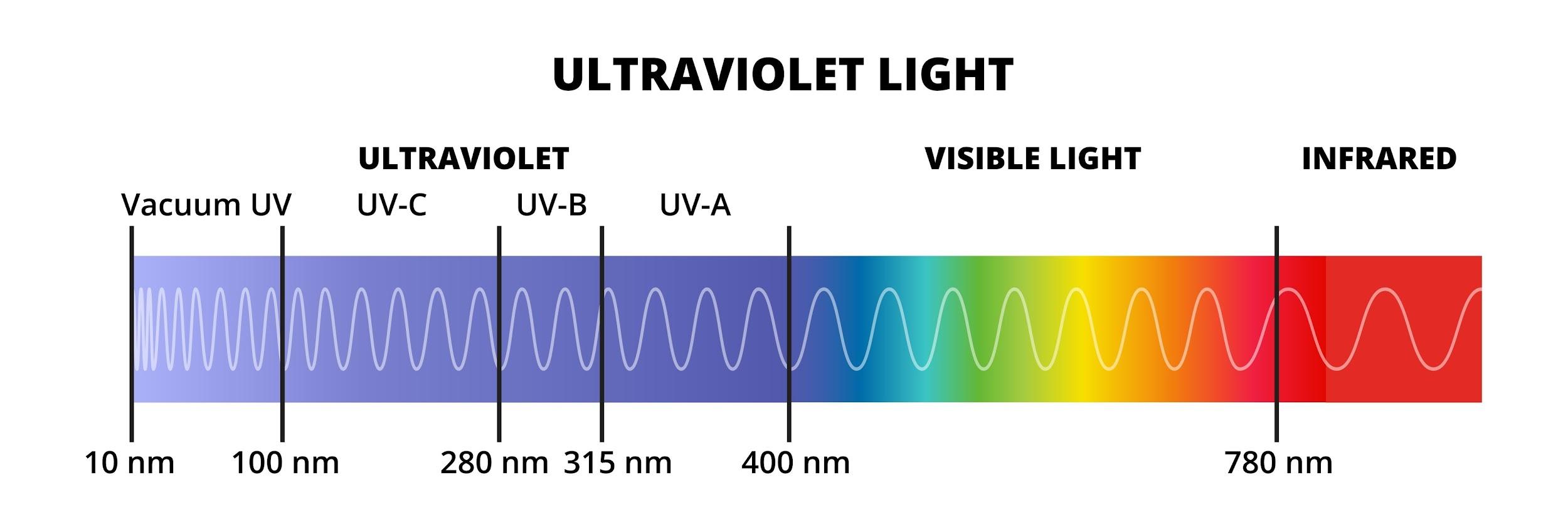
Melasma is uniquely sensitive to visible light — not only UV. This is why standard “clear” sunscreens, even at SPF 50+, often disappoint melasma patients: they block UV but allow visible light (400–780 nm) through to drive pigment.
The melasma pathway
For complex or relapsing melasma we offer a combined 60-minute visit:
- Medical diagnosis and prescription plan with Dr Chris
- Long-term stabilisation strategy with our lead dermal clinician
Book a Pigmentation Consultation to start. Treatment is not performed on the first visit — there is always a foundation phase (sun protection and topicals) before any energy-based treatment is added.
Symptoms
- Symmetrical brown or grey-brown patches across the face
- Most commonly on the cheeks, forehead, upper lip and chin (less often on the jawline, neck or forearms)
- Pigment that develops gradually rather than appearing overnight
- Patches that can be epidermal (lighter brown, sharply defined), dermal (deeper, blue-grey, more diffuse) or mixed
- Worsening with UV exposure, heat or hormonal change
- Often more visible at the end of summer or after a holiday
- Flares during pregnancy, with the oral contraceptive pill, fertility treatment, or hormone replacement therapy
Causes & contributors
- UV exposure — the single most significant driver, particularly in Australia
- Visible light — including high-energy visible light from screens and the environment (which standard "clear" sunscreens do not block)
- Hormones — pregnancy, oral contraceptive pill, HRT and fertility treatment
- Heat — saunas, hot yoga, hot showers and high-heat cooking environments can independently trigger melanocyte activity
- Inflammation and irritation — over-aggressive skincare, peels or laser can drive rebound pigmentation (the "reaction spiral")
- Genetic predisposition — more common in Fitzpatrick III–V skin and in patients with a family history of melasma
- Certain medications (e.g. some antiepileptics and photosensitisers) and underlying thyroid or hormonal conditions can contribute
Diagnosis
Melasma is usually a clinical diagnosis, based on the symmetrical distribution and characteristic pigment pattern. A Wood's lamp can help estimate whether pigment is epidermal, dermal or mixed — this guides treatment choice. Dermoscopy is used to distinguish melasma from other pigmented lesions and from concerning lesions such as lentigo maligna (a form of melanoma in situ that can mimic melasma on the face). Biopsy is rarely required but may be considered if the diagnosis is unclear or a single lesion looks atypical. A medical diagnosis is mandatory before any light- or laser-based therapy is considered.
Treatment options
Medical-grade topical therapy (the foundation)
First-line and the foundation of any melasma plan. Pigment modulators — azelaic acid, cysteamine and topical tranexamic acid — combined with stabilisers (vitamin B3 / niacinamide and targeted antioxidants) to reduce the inflammatory signalling that drives pigment. Prescription triple-combination therapy is used selectively and monitored closely to avoid long-term side effects. Pregnancy- and breastfeeding-safe options exist (azelaic acid).
Iron-oxide tinted photoprotection →
Non-negotiable. Standard "clear" sunscreens block UV but not visible light, which is a major driver of melasma. Tinted formulations containing iron oxides physically shield the visible light spectrum (including high-energy blue light) and have been shown to significantly reduce relapse risk. Worn every day, year-round.
Low-fluence Q-switched Nd:YAG laser
When laser is added, "low and slow" nanosecond Q-switched protocols are prioritised over picosecond for melasma. Lower acoustic shock, less risk of rebound darkening, and gentler on already-active melanocytes. Reserved for stable melasma after the foundation phase has been established for at least 8–12 weeks.
Oral tranexamic acid (selected cases)
A systemic stabiliser for persistent melasma that has not responded adequately to topicals and photoprotection. Requires a thorough medical review for contraindications (personal or family history of clots, smoking, the combined oral contraceptive pill, recent surgery, pregnancy) before prescribing, and ongoing monitoring during treatment.
Pigmentation Consultation →
A 45–60 minute joint doctor and dermal clinician consultation to confirm the diagnosis, exclude concerning lesions, classify pigment depth, and build the staged plan. Particular care is taken for melanin-rich skin where the wrong treatment can worsen melasma.
When to see a doctor
See a doctor before starting any cosmetic treatment for facial pigmentation. Melasma can mimic — and coexist with — other pigment disorders, including some forms of skin cancer such as lentigo maligna. Medical assessment is essential to confirm the diagnosis, exclude concerning lesions, and avoid laser or peel treatments that can worsen pigment. Seek earlier review if a single area of pigmentation looks different from the rest (asymmetric outline, multiple colours, recent change in shape or size), if a lesion is raised, bleeding or scaly, or if you have had laser treatment elsewhere and your pigmentation has worsened.
Frequently asked questions
-
Why is my melasma coming back after treatment elsewhere?
Most 'rebounds' occur because the skin was irritated — by a laser that was too aggressive, a peel that was too strong, or a skincare routine that pushed the skin past its tolerance. Melasma is a stability problem: inflame the skin and melanocytes produce more pigment as a defence. Successful management requires a gentle, medical approach that calms the skin first (sun protection, iron-oxide tinted SPF, topicals at low irritation) before pigment reduction is layered on. If you have had a bad result elsewhere, often the right next step is a pause on energy-based treatment and a reset. -
Do I really need a tinted sunscreen?
Yes. For people with melasma, iron oxides in tinted sunscreens provide the only effective shield against visible-light-induced pigment. Standard 'clear' SPF — even at SPF 50+ — blocks UV but lets visible light through, and visible light alone can trigger melasma flares. This is one of the most important and underappreciated parts of the plan. We can discuss specific products that are cosmetically elegant on different skin tones at the consultation. -
Can I treat melasma while pregnant or breastfeeding?
Yes, but the options are more limited. Pregnancy-safe management focuses on strict physical photoprotection (iron-oxide tinted SPF, hats, shade), azelaic acid (considered safe in pregnancy and breastfeeding), and avoidance of triggers where possible. We avoid hydroquinone, retinoids, oral tranexamic acid and most in-clinic device treatments during pregnancy and breastfeeding. A more active plan can be layered in once breastfeeding has finished. -
Why do you use Q-switched laser instead of picosecond for melasma?
In the medical management of melasma, technology choice is critical. Picosecond lasers deliver energy so rapidly they create a 'photo-acoustic shockwave' in the tissue — in unstable melasma, that mechanical stress can trigger inflammation and rebound darkening. Q-switched Nd:YAG (nanosecond) laser, used at low fluence in a 'toning' protocol, gently fragments pigment and quietens melanocyte activity without the excessive heat or acoustic damage that drives post-inflammatory hyperpigmentation. Picosecond has its place — but for melasma specifically, the evidence favours Q-switched. -
Is oral tranexamic acid safe?
Oral tranexamic acid is well-studied for melasma at low doses, with a generally favourable safety profile in carefully selected patients. It is not safe for everyone — contraindications include a personal or family history of clotting disorders, current smoking, the combined oral contraceptive pill, recent surgery, and pregnancy. A thorough medical review before prescribing is essential, and patients are monitored during treatment for any signs of clotting or other side effects. We treat it as a useful systemic stabiliser for persistent cases, not a first-line option. -
How long does it take to see results?
Most patients see meaningful improvement on a well-designed topical and photoprotection program over 8–12 weeks, with further improvement continuing for 4–6 months as melanocyte activity stabilises. Laser, when added, layers on additional improvement over a course of 4–6 treatments. Melasma is a long-term condition — the expectation is gradual, sustained improvement rather than a single dramatic result, and ongoing maintenance to prevent relapse. -
Will my melasma go away after menopause?
Sometimes — particularly melasma that flared during pregnancy or with the oral contraceptive pill can fade once those hormonal drivers settle. But melasma is also driven by UV and visible light, which continue regardless of hormonal status, so even post-menopausal patients often need ongoing photoprotection and topicals to prevent recurrence. Plans are adjusted at each life stage rather than assumed to be life-long unchanged. -
What's the difference between melasma and post-inflammatory hyperpigmentation?
Both produce darkened patches but they behave differently. Melasma is symmetrical, hormonally driven, and chronic — it relapses with UV, heat and hormonal change. Post-inflammatory hyperpigmentation follows skin inflammation (acne, eczema, bites, procedures) and tends to fade over months once the inflammation settles, though it can persist longer in melanin-rich skin. Many patients have both — and the treatment plan needs to address each separately.
References
- Melasma — an up-to-date comprehensive review. Dermatol Ther (Heidelb). 2017.DOI: 10.1007/s13555-017-0194-1
- Update on melasma — Part II. Treatment. Dermatol Ther (Heidelb). 2022.DOI: 10.1007/s13555-022-00780-4
Related
Related conditions
Medically reviewed by Dr Christopher Irwin, MBChB, FRACGP, MMed (Skin Cancer), FACAM, MSCCA · Last reviewed 2026-06-06 · Editorial policy