Doctor-led pigmentation and tattoo removal in Melbourne — medical diagnosis first, then medical-grade Q-switched Nd:YAG laser, then a long-term skin stabilisation plan. Treats sun spots, freckles, post-inflammatory hyperpigmentation and tattoo ink, with specialised pathways for melasma, pigment-prone and melanin-rich skin via the Skin of Colour Clinic.
- 3-step pathway — medical assessment, Q-switched laser, then long-term stabilisation.
- Q-switched nanosecond Nd:YAG is the gold standard for safety in complex pigmentation.
- Picosecond shockwaves can trigger PIH in sensitive or pigment-prone skin.
- Melasma requires cautious stabilising care — laser is NOT first-line.
- Higher PIH risk in melanin-rich skin is managed via the Skin of Colour Clinic.
- Pre-conditioning ("pre-shading") with medical topicals before laser in high-risk skin.
- Tattoo removal is a medical journey — typically 5–10+ sessions for professional ink.
- Darker inks (black) respond more predictably than coloured inks (blue, green).
- Protecting your result — stabilisation skincare (vitamin B3, azelaic acid) prevents rebound.
- Care provided across two Melbourne clinics — Ivanhoe and Diamond Creek.
Pigmentation & Tattoo Removal
Doctor-led pigmentation and tattoo removal in Melbourne — medical diagnosis first, then medical-grade Q-switched Nd:YAG laser, then a long-term skin stabilisation plan. Treats sun spots, freckles, post-inflammatory hyperpigmentation and tattoo ink, with specialised pathways for melasma, pigment-prone and melanin-rich skin via the Skin of Colour Clinic.
Quick definition
Pigmentation and tattoo removal at The Skin Doctor follows a deliberate 3-step pathway: (1) medical diagnosis to confirm pigment is benign and determine its depth (epidermal, dermal, mixed) and drivers (UV, hormones, inflammation, medications); (2) medical-grade Q-switched Nd:YAG laser to fragment the pigment or ink for immune clearance; and (3) long-term stabilisation with pigment-modulating topicals + iron-oxide tinted SPF to prevent rebound. Treats sun spots, freckles, PIH and tattoos. Melasma is managed cautiously — laser is NOT first-line. Melanin-rich skin is handled through the Skin of Colour Clinic with conservative parameters and 4–6 weeks of pre-conditioning.
For sun spots, freckles, post-inflammatory hyperpigmentation (PIH), and unwanted tattoo ink — with a medical-first approach designed for pigment-prone skin.
Pigmentation and tattoos may appear as simple surface marks, but successful removal requires understanding of cause, depth (epidermal vs dermal) and inflammatory triggers. The wrong approach — especially aggressive laser use — can lead to worsening pigmentation (PIH) or immediate relapse. As a clinic focused on both skin cancer medicine and aesthetics, every treatment begins with an accurate medical diagnosis to confirm your pigmentation is benign and suitable for laser before we begin. (1–4)
What we treat
Pigmentation
- Solar lentigines (sun spots, age spots) (5,6)
- Freckles (ephelides)
- Post-inflammatory hyperpigmentation (PIH) (2,7,9)
- Selected birthmarks and dermal pigment patterns (case-dependent)
Tattoo ink
- Professional and amateur tattoos
- Black and darker inks — typically the most responsive (8)
- Selected coloured inks — variable response depending on pigment chemistry (8)
Specialised care for melanin-rich skin
Patients with olive, brown or deep skin tones require a different level of precision. Because the risk of post-inflammatory hyperpigmentation (PIH) is significantly higher in these skin types, we manage these cases through our dedicated Skin of Colour Clinic →.
Here, the focus is on pre-conditioning the skin with medical topicals for 4–6 weeks before treatment — so the laser is safe and effective without causing secondary darkening. Conservative parameters and longer intervals between sessions are also part of the safer pathway.
The 3-step pathway (the medical difference)
Step 1 — Medical assessment and pigment typing
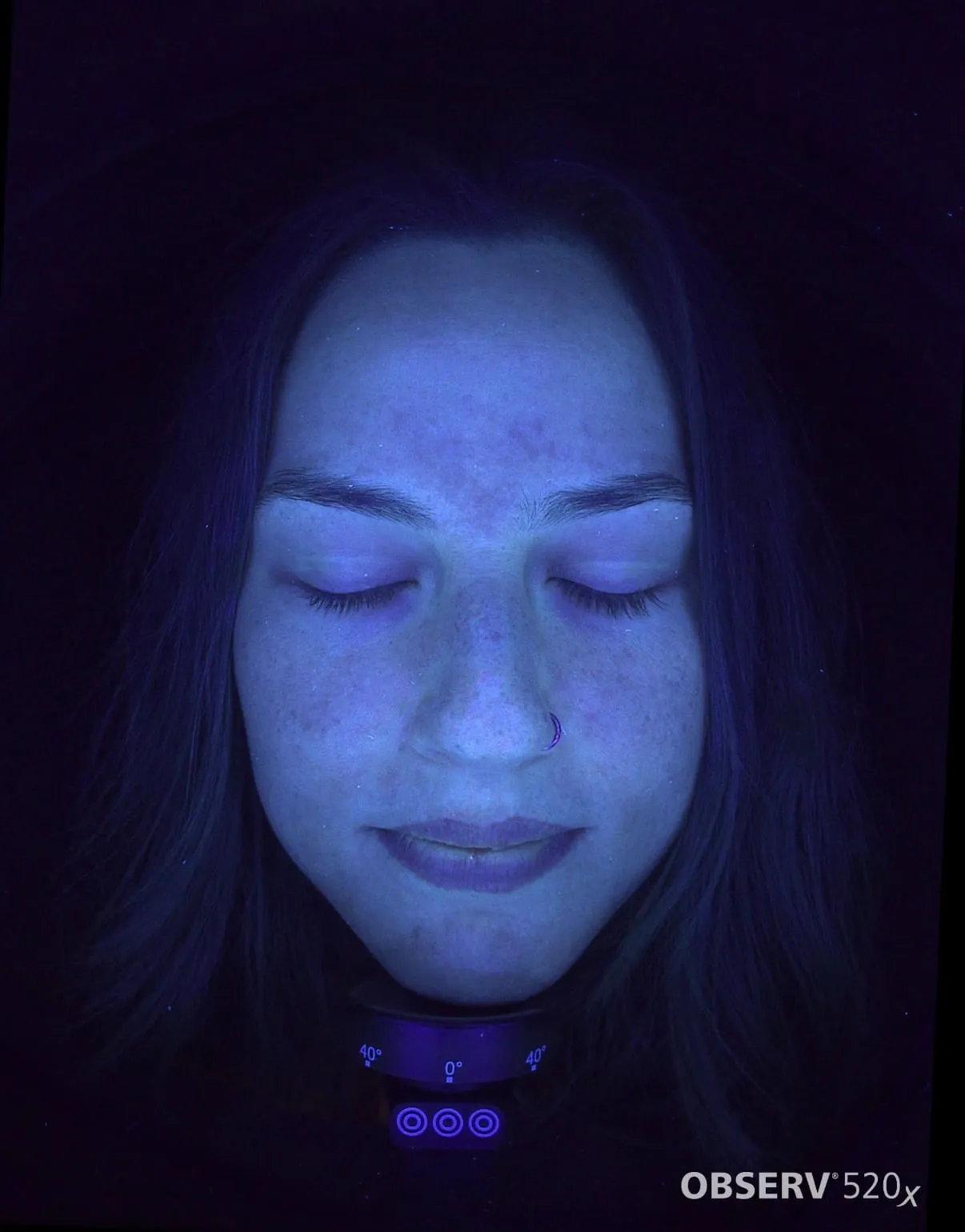
Before any laser treatment, we perform a clinical assessment to determine:
- Diagnosis: is this benign pigmentation, or a lesion requiring a different medical path?
- Depth: is the pigment epidermal, dermal, or mixed?
- Risk profile: what is your “PIH risk”? Critical for patients with melanin-rich skin or a history of scarring (2,7)
- Drivers: are UV exposure, hormones (melasma) or medications driving the pigment? (2–4)
Step 2 — Medical-grade Q-switched Nd:YAG laser
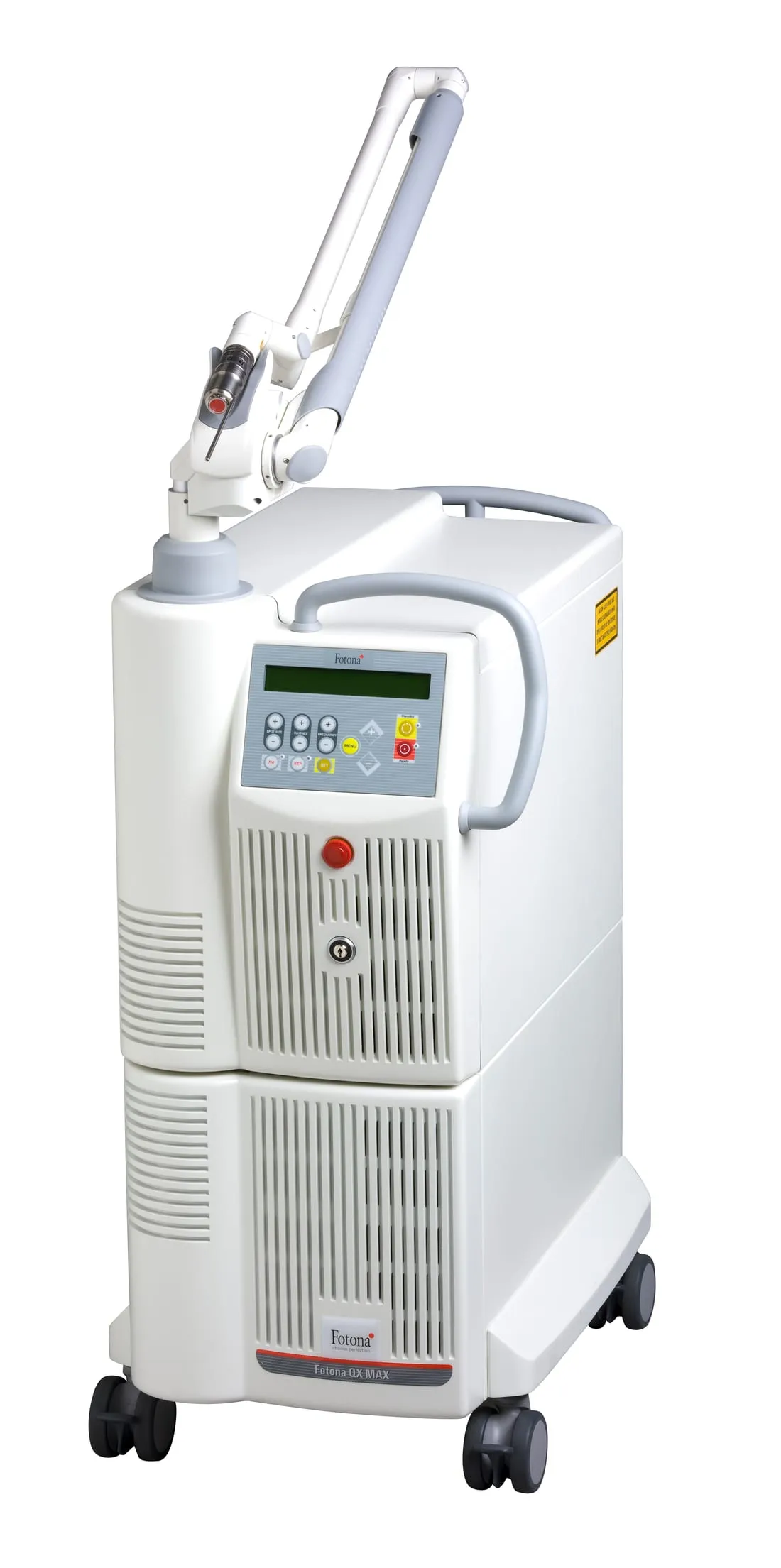
The Q-switched (nanosecond) laser delivers high-energy pulses designed to fragment pigment or ink into microscopic particles, allowing your body’s immune system to clear them naturally. (6,8)
Why Q-switched (nanosecond) vs picosecond? While “pico” lasers are marketed heavily for speed, Q-switched nanosecond technology remains a gold standard for safety in high-risk pigmentation.
- Controlled thermal profile — Q-switched lasers provide a predictable thermal interaction with skin. In complex pigmentation, the ultra-fast delivery of picosecond lasers can create photo-acoustic shockwaves that may inadvertently trigger inflammation and PIH in sensitive or pigment-prone skin.
- Stability — we prioritise the stability of surrounding tissue. Using specific low-fluence Q-switched protocols we can clear pigment effectively while keeping the skin “quiet” and avoiding the aggressive inflammatory response that leads to relapse. (8)
Step 3 — Stabilisation and protecting your result
Laser is only one part of the solution. To prevent the pigment from returning, we focus on stabilising the melanocytes (pigment-producing cells). (2–4,7)
- Prescription therapy — where appropriate, medical-grade topicals to suppress excess pigment production and reduce inflammation.
- Evidence-based actives — vitamin B3 (niacinamide) for modulation, azelaic acid for anti-inflammatory support, and barrier repair to stop the “reaction spirals” that lead to new spots. (9,10)
- Dermal therapist integration — consistent, gentle care with a therapist ensures your skin remains stable between and after laser sessions.
Tattoo removal (realistic expectations)
Tattoo removal is a medical journey. Most tattoos require multiple sessions to allow for immune clearance of fragmented ink. While we aim for complete removal, we also specialise in “fading” tattoos to a level where high-quality cover-up art is possible. (8)
- Typical timeline: 5–10+ sessions for professional ink.
- Spacing: intervals are intentional — your body needs time to clear the ink safely.
- Ink type: darker inks generally respond more predictably than bright blues or greens. (8)
Book a consultation
References
- Passeron T, et al. Melasma. RACGP. 2021.
- Davis EC, Callender VD. Postinflammatory hyperpigmentation: a review of the epidemiology, clinical features, and treatment options in skin of color. J Clin Aesthet Dermatol. 2010.
- Arora P, et al. Lasers for treatment of melasma and post-inflammatory hyperpigmentation. Lasers Med Sci. 2012.
- Grimes PE. Melasma: etiologic and therapeutic considerations. Arch Dermatol. 1995.
- Mardani G, et al. Treatment of solar lentigines: a systematic review of available therapies. J Cosmet Dermatol. 2025.
- Kim JS, et al. Objective evaluation of the effect of Q-switched Nd:YAG laser on solar lentigines. Ann Dermatol. 2015.
- Kang DH, et al. Postoperative risk assessment of post-inflammatory hyperpigmentation after 532-nm Q-switched Nd:YAG treatment for solar lentigines. J Cosmet Dermatol. 2024.
- Ross EV, et al. Comparison of responses of tattoos to picosecond and nanosecond Q-switched lasers. Arch Dermatol. 1998.
- Chaowattanapanit S, et al. Postinflammatory hyperpigmentation: a comprehensive overview. J Am Acad Dermatol. 2017.
- Auffret N, et al. Acne-induced post-inflammatory hyperpigmentation: treatment approaches including azelaic acid evidence. Acta Derm Venereol. 2025.
PIH
Post-Inflammatory Hyperpigmentation
PIH prevention and treatment — particularly for procedure-related pigment.
Melasma
Melasma
Cautious long-term stabilising management. Aggressive laser is not first-line.
Sun spots
Solar Lentigo (Sun Spots)
Sun-driven pigment spots — often 1–4 sessions with Q-switched laser.
Safety
Skin of Colour Clinic
Specialised pathways for melanin-rich skin — pre-shading and safe laser plans.
Consultation
Pigmentation Consultation
Medical assessment, pigment typing and a personalised plan.
Lasers
Laser & Light Treatments
Q-switched Nd:YAG and Medilux LED — the platforms behind our pigment work.
Frequently asked questions
-
Can pigmentation be treated without laser?
Yes — and for melasma and PIH-prone skin, non-laser care is usually first-line. We often start with medical topicals (azelaic acid, niacinamide, vitamin C, cysteamine, short-term hydroquinone), barrier-supportive skincare, and strict daily broad-spectrum SPF (iron-oxide tinted where useful). Laser is added only once the skin is settled and stable. Going to laser on inflamed or unstable pigment commonly makes things worse. -
Can laser actually make pigmentation worse?
Yes, if it is the wrong laser, wrong settings or applied to unstable pigment. Aggressive parameters or treatment of active melasma can trigger inflammation that drives pigment to rebound DARKER (a recognised phenomenon, particularly in melasma and melanin-rich skin). This is why medical diagnosis, conservative settings and the right laser technology matter more than how 'powerful' the device is. -
How many sessions will I need for pigmentation or tattoo removal?
Sun spots (solar lentigines) typically clear in 1–4 sessions with Q-switched Nd:YAG. Freckles 2–4 sessions, with a high recurrence risk without ongoing UV protection. PIH timelines depend on depth and skin type — often several months of topical + laser combination. Professional tattoos commonly need 5–10+ sessions for clearance, with longer intervals required for safe immune clearance of fragmented ink. -
Why Q-switched (nanosecond) instead of picosecond laser?
Q-switched nanosecond Nd:YAG provides a predictable thermal interaction with skin. In complex pigmentation — particularly melasma and melanin-rich skin — the ultra-fast picosecond shockwave can inadvertently trigger inflammation and PIH. Low-fluence Q-switched protocols clear pigment while keeping surrounding tissue 'quiet', which is the safer pathway for our patient mix. Picosecond can be useful in selected cases but is not the universally better choice some marketing suggests. -
I have darker (Fitzpatrick IV–VI) skin — can I have laser pigmentation treatment safely?
Yes, with appropriate device selection and conservative parameters — care is delivered through our Skin of Colour Clinic. We use long-pulsed and Q-switched Nd:YAG (the wavelengths that bypass surface melanin best), pre-condition the skin with topical pigment-modulators for 4–6 weeks before treatment, use lower fluences with longer intervals, and combine with iron-oxide tinted SPF. The result is more sessions overall but a much lower complication risk. -
How is melasma different and why isn't laser first-line?
Melasma is a dermal/mixed pigment condition driven by hormones, UV AND visible light. Unlike sun spots or PIH, melasma frequently rebounds darker when treated aggressively with laser — even appropriate settings. First-line care is strict broad-spectrum SPF (including visible light via iron-oxide tinted sunscreen), topical pigment-modulators (often hydroquinone, tranexamic acid, azelaic acid, cysteamine), and lifestyle/hormone review. Laser is reserved for selected stabilised cases at very conservative settings. -
Can you remove a tattoo completely, or only fade it?
Complete removal is the goal for many patients and is often achievable, but it depends on ink type, age, location, depth, and your immune clearance. Some inks (bright blues, greens, fluorescents, white-containing inks) respond poorly to current laser technology and may leave residual shadow. We are equally skilled at FADING tattoos to a level where high-quality cover-up artwork is possible — sometimes the realistic best outcome. Realistic expectations are set at consultation. -
What is "stabilisation" and why does it matter after laser?
Stabilisation is the long-term part of the plan — managing the pigment-producing cells (melanocytes) so the pigment doesn't return. Laser clears existing pigment; it does not prevent new pigment forming. Stabilisation typically combines daily broad-spectrum SPF (often iron-oxide tinted), targeted topicals (niacinamide for modulation, azelaic acid for anti-inflammatory support, barrier repair), and dermal-therapist-led maintenance. Without stabilisation, pigment commonly returns regardless of how well the laser worked.
Medically reviewed by Dr Christopher Irwin, MBChB, FRACGP, MMed (Skin Cancer), FACAM, MSCCA · Last reviewed 2026-06-06 · Editorial policy