Doctor-led facial treatments at The Skin Doctor in Melbourne — guided by medical assessment, skin biology and long-term outcomes, not trends. Texture, tone, volume, pigmentation and inflammation are treated as interconnected. Conservative, tailored plans rather than off-the-shelf protocols, with care adapted carefully for melanin-rich skin.
- Treatments selected by skin type and concern, not by device.
- Rejuvenation pathway covers collagen, tightening, peels and resurfacing.
- Spots, wrinkles and volume assessed together to preserve natural expression.
- Medical and procedural care for active acne, post-acne marks and scarring.
- Targeted care for facial redness, rosacea and vascular concerns.
- Mole and benign lesion assessment alongside aesthetic care.
- Adapted for melanin-rich skin via the Skin of Colour Clinic pathway.
- Doctor-led across both Ivanhoe and Diamond Creek clinics.
Face
Doctor-led facial treatments at The Skin Doctor in Melbourne — guided by medical assessment, skin biology and long-term outcomes, not trends. Texture, tone, volume, pigmentation and inflammation are treated as interconnected. Conservative, tailored plans rather than off-the-shelf protocols, with care adapted carefully for melanin-rich skin.
Quick definition
Facial treatment at The Skin Doctor is doctor-led care that treats the face as a functional, living organ — where texture, tone, volume, pigmentation and inflammation are interconnected. Plans are built around medical assessment first, then technology choice — not the other way around. Pathways cover rejuvenation and skin quality (collagen stimulation, tightening, peels, resurfacing), spots, wrinkles and volume, acne and acne scarring, facial redness and rosacea, and moles and benign lesions. Care is conservative, tailored and staged, with specific pathways for melanin-rich skin via the Skin of Colour Clinic.
At The Skin Doctor, facial treatments are guided by medical assessment, skin biology and long-term outcomes — not trends or off-the-shelf protocols.
We treat the face as a functional, living organ — where texture, tone, volume, pigmentation and inflammation are interconnected. Our approach prioritises natural results, skin health and safety, with every plan tailored to your anatomy, skin type and goals.
If you are unsure where to begin, start with a consultation and we will guide you to the most appropriate pathway.
Rejuvenation and skin quality
Subtle, evidence-based treatments to support skin renewal, strength and resilience. These improve texture, firmness, luminosity and overall skin quality over time.
- Collagen Stimulation →
- Skin Laxity & Skin Tightening →
- Skin Peels & Facials →
- Facial Resurfacing →
- Fotona 4D Non-Surgical Facelift →
Spots, wrinkles and volume
Assessment-led consultations to address facial ageing while preserving natural expression. Planning considers facial structure, movement, skin quality and ageing patterns — not just isolated lines.
Acne and acne scarring
Medical and procedural care for active acne and long-term scarring. Management is tailored to acne type, inflammation level and skin-of-colour considerations.
Facial redness and vascular concerns
Targeted care for redness, flushing and visible blood vessels. Treatment options are selected conservatively to reduce inflammation and protect skin-barrier function.
Moles, lumps, bumps and scarring
Medical assessment and treatment of benign facial lesions and scars. Where appropriate, management may involve monitoring, procedural treatment or referral for further assessment.
- Moles, skin lumps & bumps →
- Scarring treatments →
- Acne scarring treatments →
- Hypertrophic & keloid scars →
A doctor-led approach to facial care
All facial treatments at The Skin Doctor are guided by:
- medical assessment and diagnosis
- detailed understanding of facial anatomy
- careful technology selection
- long-term skin health and safety
This approach ensures outcomes that are balanced, natural and sustainable.
Start your facial care journey
Whether you are seeking rejuvenation, medical acne care or assessment of a specific concern, our team can guide you clearly and safely.
Laser
Fotona 4D Non-Surgical Facelift
Four-step laser facelift targeting tone, tightening and texture.
Lips
LipLase Lip Rejuvenation
Non-ablative Er:YAG laser for subtle lip definition — no filler.
Eye area
SmoothEye Periocular Rejuvenation
Non-ablative laser for fine lines and mild laxity around the eyes.
Regenerative
Platelet-Rich Plasma (PRP)
Regenerative treatment using your own platelets for skin quality.
Remodelling
Collagen Stimulation
Treatments that activate the skin’s natural regeneration.
Lifting
Skin Laxity & Tightening
Non-surgical lifting and firming for face, neck and jawline.
Resurfacing
Skin Peels & Facials
Medical-grade exfoliation and clinical facials.
Resurfacing
Facial Resurfacing
Fractional and ablative resurfacing for texture, tone and scarring.
Consultation
Wrinkle Consultations
Doctor-led wrinkle and expression assessment.
Volume
Facial Volume Loss
Assessment-led volume restoration that preserves natural expression.
Even tone
Pigmentation
Targeted laser and topical pathways for sun damage, melasma and PIH.
Frequently asked questions
-
Do I need a consultation before facial treatments?
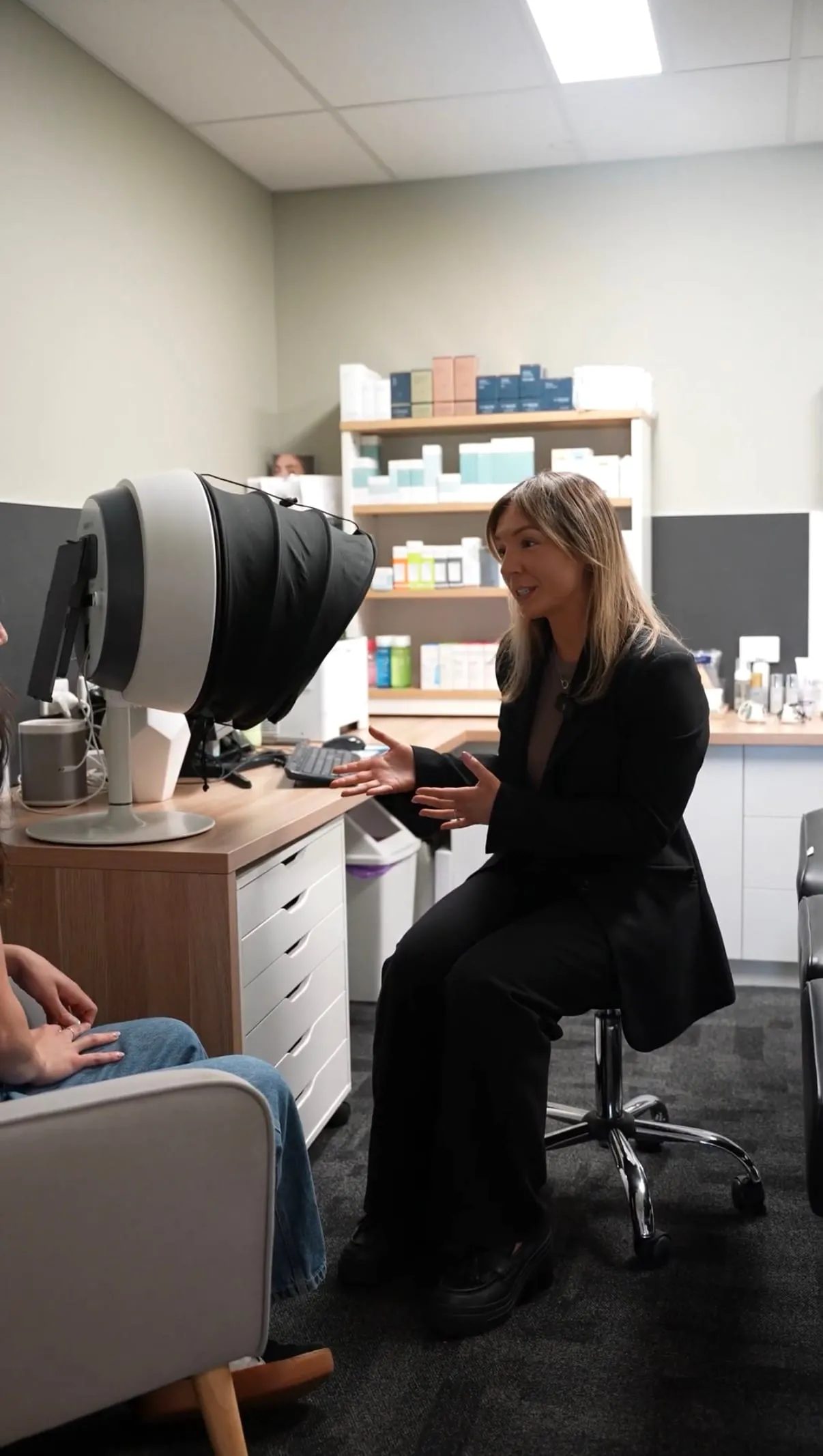
Yes. A consultation lets us assess your skin properly — under good light, often with imaging — discuss your goals, review any medical history that affects treatment safety, and recommend the most appropriate and safest pathway. Most facial treatments at The Skin Doctor are doctor- or dermal-therapist-led, and the consultation is where the plan is matched to your skin rather than to a generic device protocol. -
Are facial treatments suitable for all skin types?
Most treatments can be adapted across skin types, but careful assessment is essential. Melanin-rich skin (Fitzpatrick IV–VI) has a higher risk of post-inflammatory hyperpigmentation and benefits from specialised device choice, conservative parameters and pre-conditioning — this is handled through our Skin of Colour Clinic pathway. Sensitive, rosacea-prone or barrier-compromised skin also needs gentler approaches. -
Can multiple facial concerns be treated together?
Often yes — treatment plans are commonly staged or combined to address texture, pigmentation, redness and ageing safely. The exception is when one concern (e.g. active acne, unstable melasma) needs to settle before a procedural pathway is added. We plan in stages so each step builds on the previous result rather than overloading the skin in a single session. -
Will treatments make my face look unnatural?
Our explicit goal is natural improvement, not transformation. Treatments are selected to enhance facial harmony, support skin quality and preserve normal expression. We favour conservative, layered approaches over single 'big' interventions, and we will say so honestly at consultation if a particular treatment is unlikely to give the natural result you are looking for. -
How do I choose between laser, peels, microneedling and other resurfacing options?
You don't have to — that's the consultation. The right choice depends on your specific concerns (pigment, texture, scarring, laxity), skin tone, downtime tolerance and any active inflammation. Some patients do best with a single modality; many benefit more from a staged combination. We start by mapping the concerns and then matching the modality, rather than starting from a fixed 'this is what we do.' -
How much downtime should I expect from a facial treatment?
It depends on the modality. LED, light peels and most consultations have effectively no downtime. Medical peels and microneedling typically cause 1–3 days of pinkness or mild peeling. Fractional non-ablative laser usually 2–5 days of redness and mild flaking. Ablative resurfacing (Er:YAG) ranges from 5–10 days of more significant recovery. We sequence treatments so downtime is predictable and you can plan around it. -
How long until I see results from facial treatments?
Texture and pigment treatments usually show meaningful change at 4–8 weeks, with collagen-driven improvements continuing for 3–6 months as the skin remodels. Wrinkle and volume work is usually visible within 1–2 weeks. Maintenance is part of the plan — most facial rejuvenation is a sustained pathway rather than a one-off. -
I have rosacea or sensitive skin — can I still have facial treatments?
Yes — many of our patients have rosacea, sensitive skin or barrier compromise, and we have specific pathways for them. Aggressive treatments are avoided, vascular and inflammatory drivers are addressed first, and devices are chosen for safety on reactive skin. The plan is conservative and staged. See our rosacea hub for the medical side and discuss aesthetic options at consultation.
Medically reviewed by Dr Christopher Irwin, MBChB, FRACGP, MMed (Skin Cancer), FACAM, MSCCA · Last reviewed 2026-06-06 · Editorial policy